cross stitch pattern pdf

Understanding Cross Stitch Pattern PDFs
Cross‑stitch PDFs are digital charts that display a grid of colored squares, each representing a stitch. They include a key, size, and thread count. Users download, scale, and print them for accurate stitching on fabric.
It supports CMYK and RGB color modes, making it versatile for designers.!

Definition and Core Elements
A cross‑stitch pattern PDF is a digital blueprint that translates a design into a grid of colored squares, each square corresponding to a single stitch. The file typically contains several core elements that guide the stitcher from concept to finished piece. First, the grid itself is the foundation; it is usually a square matrix whose dimensions are expressed in stitches (e.g., 200 × 200). The grid’s resolution is crucial—most designers use a 300 dpi raster or a vector format that scales without loss, ensuring crisp lines when printed. Second, a color key lists every thread shade used, often with thread brand, code, and recommended floss count. This key allows stitchers to match threads accurately and plan their thread inventory. Third, the size specification indicates the intended finished dimensions (in inches or centimeters) and the fabric count (e.g., 14‑count, 18‑count). Knowing the fabric count lets the stitcher scale the grid appropriately so the final piece matches the designer’s vision. Fourth, the PDF may include a thread count sheet, a quick reference that tallies how many stitches of each color appear, helping to estimate thread usage and avoid running out mid‑project. Finally, metadata such as the designer’s name, copyright notice, and any licensing terms are embedded in the PDF’s properties, ensuring proper attribution and legal compliance. Together,printed, scaled, or imported into conversion software for cross‑stitching experience
A cross‑stitch pattern PDF is a digital blueprint that translates a design into a grid of colored squares, each square corresponding to a single stitch. The file typically contains several core elements that guide the stitcher from concept to finished piece. First, the grid itself is the foundation; it is usually a square matrix whose dimensions are expressed in stitches (e.g., 200 × 200). The grid’s resolution is crucial—most designers use a 300 dpi raster or a vector format that scales without loss, ensuring crisp lines when printed. Second, a color key lists every thread shade used, often with thread brand, code, and recommended floss count. This key allows stitchers to match threads accurately and plan their thread inventory. Third, the size specification indicates the intended finished dimensions (in inches or centimeters) and the fabric count (e;g., 14‑count, 18‑count). Knowing the fabric count lets the stitcher scale the grid appropriately so the final piece matches the designer’s vision. Fourth, the PDF may include a thread count sheet, a quick reference that tallies how many stitches of each color appear, helping to estimate thread usage and avoid running out mid‑project. Finally, metadata such as the designer’s name, copyright notice, and any licensing terms are embedded in the PDF’s properties, ensuring proper attribution and legal compliance. Together, printed, scaled, or imported into conversion software for cross‑stitching experience
Standard Grid Sizes and Resolution
Cross‑stitch PDFs commonly adopt a few standard grid dimensions to accommodate different fabric counts and intended finished sizes. The most frequent grid sizes are 200 × 200, 250 × 250, and 300 × 300 stitches, though designers often choose 150 × 150 or 400 × 400 for larger projects. These dimensions are expressed in stitches, not inches, and the actual printed size depends on the chosen fabric count. For example, a 200 × 200 grid on 14‑count canvas yields a 14.3 × 14.3 inch finished piece, while the same grid on 18‑count gives 11.1 × 11.1 inches.
Resolution is another critical factor. Most designers export PDFs at 300 dpi in CMYK mode to preserve color fidelity and grid sharpness when printed. Vector PDFs, which use scalable paths instead of raster pixels, are preferred for large prints because they eliminate pixelation entirely. When a raster PDF is used, the 300 dpi setting ensures that each stitch line remains crisp at typical printer resolutions (600 dpi or higher). Some designers also embed a 600 dpi raster for high‑detail patterns, but this increases file size significantly.
When preparing a PDF for printing, check the Print Preview to confirm that the grid lines are solid and that the color key remains legible. Adjust the scaling in the printer dialog to match the desired finished size based on the fabric count. Consistent grid sizing and resolution practices help stitchers avoid misalignment and color mismatches, leading to smoother workflow and higher quality finished works.
These standards ensure the printed grid aligns with the stitcher’s needle, reducing errors and saving time today!!

Acquiring PDF Patterns from Online Platforms
Online marketplaces offer a wide range of downloadable PDF cross‑stitch charts. Many sites charge a one‑time fee, while others use subscription models granting access to a library of designs. Free resources exist in public domain collections but always check licensing terms before useEnjoy now!!!
Popular Marketplaces and Subscription Models
Digital Loom, Stitchers’ Hub, and PatternPort are leading platforms where designers upload cross‑stitch PDFs. Users can purchase individual charts or subscribe to a monthly plan that unlocks a rotating library of seasonal and themed designs. Subscription tiers often include perks such as early access to new releases, bulk‑download discounts, and community forums for technique sharing. Many sites support direct PDF downloads in high‑resolution formats (300‑600 dpi) suitable for both screen viewing and printing. Some marketplaces offer a freemium model: basic patterns are free, while premium collections require a one‑time fee or a recurring subscription. Users should review licensing agreements, as some platforms restrict commercial use or require attribution. When selecting a marketplace, consider the variety of thread counts, the clarity of the color key, and the availability of customer support for troubleshooting printing or conversion issues. The convenience of instant digital delivery eliminates shipping delays, making it easier for stitchers worldwide to access fresh designs on demand.
These platforms provide tools for thread counts, adjusting grid scaling, and exporting to embroidery file formats!! Some subscriptions include a mobile app for on‑the‑go pattern preview, while others offer a community marketplace where users can trade or sell their own designs. Always verify that the PDF’s resolution matches your printer’s capabilities to avoid pixelated grids now!!
Free Pattern Resources and Public Domain
There are several reputable sources where hobbyists can download cross‑stitch PDFs at no cost. The Public Domain Project hosts a growing archive of classic designs that have entered the public domain; these PDFs come with clear grid lines, a color key, and suggested thread counts. Another popular free resource is the Cross Stitch Library, which curates patterns from independent designers who release them under Creative Commons licenses. Users can filter by theme, difficulty, and thread count, and the site offers a convenient PDF download button for each chart. The National Archives also occasionally releases historical embroidery patterns as PDFs, providing a glimpse into early 20th‑century textile art. For those who prefer a community‑driven approach, the Stitchers’ Forum hosts a “Free Patterns” thread where members share their own PDFs, often accompanied by tips on scaling and printing. When using free resources, it is essential to verify the licensing terms; some Creative Commons licenses require attribution or prohibit commercial use. Additionally, always check the PDF resolution—most free PDFs are 300 dpi, which is sufficient for printing on 100‑count or 120‑count cotton. By leveraging these free and public domain resources, stitchers can expand their repertoire without incurring additional costs, while also supporting the preservation of traditional textile designs. These PDFs empower stitchers worldwide, offering styles from pastoral scenes to modern abstract motifs, preserving the craft’s heritage.
Preparing and Printing PDF Patterns for Stitching
Scale the PDF to match your fabric count, set 300 dpi, choose high‑quality print mode, disable auto‑crop, and use minimal margins. Print on plain white or light‑colored fabric to keep grid lines sharp for accurate stitching. Print on matte paper results!!!
Scaling Techniques for Different Fabric Counts
When converting a PDF cross‑stitch pattern to a specific fabric count, the key is to maintain the correct stitch size while preserving the overall design proportions. The most reliable method is to use the “stitch per inch” (SPI) value of the chosen fabric. For example, a 14‑count fabric has 14 stitches per inch, whereas a 20‑count has 20 stitches per inch. To scale a pattern, first determine the desired final size in inches by dividing the total number of squares in the pattern by the chosen count. Then multiply that result by the fabric’s SPI to obtain the pixel dimensions required for a high‑resolution print (typically 300 dpi). Many designers use PDF‑editing software such as Adobe Acrobat or free alternatives like PDF‑XChange Editor to set custom page sizes. In Acrobat, open the “Print” dialog, select “Scale to Fit” or input a specific percentage, and ensure the “Print as Image” option is checked to avoid vector distortion. For those who prefer command‑line tools, Ghostscript can batch‑process multiple patterns with a script that applies the calculated scaling factor. It is also common practice to add a small margin (about 0.125 in) around the pattern to accommodate framing or binding. After printing, verify the grid lines by placing a ruler over the fabric; the distance between adjacent lines should equal the fabric’s stitch width. If the lines are too wide or too narrow, adjust the scaling percentage accordingly. This systematic approach guarantees that the final stitched piece matches the original design’s intent, regardless of the fabric count chosen.
Additionally, many cross‑stitch communities recommend creating a test swatch: print a small section of the pattern at the intended scale, stitch it, and compare the resulting stitch shape to the original grid. This helps catch issues such as color bleed or mis‑aligned grid lines before committing to the full project. Some designers prefer to export the PDF to a raster image (PNG or JPEG) at 600 dpi, then use image‑editing software like GIMP to resize the image to the exact pixel dimensions calculated earlier. This two‑step process can reduce artifacts that sometimes appear when scaling directly from PDF. Finally, remember that the paper type you print on can affect the perceived stitch width; matte cardstock tends to hold ink better than glossy photo paper, producing crisper lines that translate more faithfully to fabric. By following these detailed scaling techniques, you can confidently adapt any PDF pattern to any fabric count while preserving design fidelity. This meticulous scaling ensures that every stitch aligns perfectly, delivering a professional finish.
Printing Settings for Sharp Grid Lines
To print a cross‑stitch PDF with a crisp grid, set the printer to 300 dpi or higher; most inkjets default to 600 dpi. In the print dialog, choose “Actual Size” or “100 %” scaling and turn off any “fit to page” options. Use CMYK mode if available to reduce color shifts. Enable “Print as Image” so the PDF is rasterized, giving crisp vector outlines. In advanced settings, select “Best” or “High Quality” and disable “Fast” or “Draft” modes. If the printer offers “Borderless,” enable it but ensure the paper size matches the pattern dimensions. After printing, inspect the grid with a magnifying glass; lines should be evenly spaced and sharp. If faint, adjust “Ink Density” or “Color Balance” to increase contrast. Finally, laminate the sheet with a clear, matte spray to protect the ink and provide a smooth surface for the needle, reducing thread snagging.
For printers, enable “Print on Both Sides” only if you need a sheet; otherwise, single‑sided printing preserves the grid orientation. In Adobe Reader, go to “Print” → “Page Sizing & Handling” and set “Custom Scale” to 100 %. In the “Advanced” tab, check “Print in Grayscale” if printing on white thread to prevent color bleed. Exporting the PDF to a PNG at 1200 dpi before printing guarantees the raster image is at the desired resolution, eliminating PDF quirks. After printing, lightly press a cloth over the ink to remove dust without smearing the grid. Store the pattern in a dry place to prevent uneven drying. With these settings, you can confidently translate the digital grid into a stitch‑ready template.
Stitching Workflow with PDF Patterns
Begin by placing the printed PDF on a lightbox or under a window. Follow the grid, matching each square to the thread key. Keep the needle level, stitch the same direction, and avoid over‑crossing. Use a thread counter to track usage.
Keep the fabric taut, use a hoop to maintain tension stitching now
Reading the Grid and Color Key
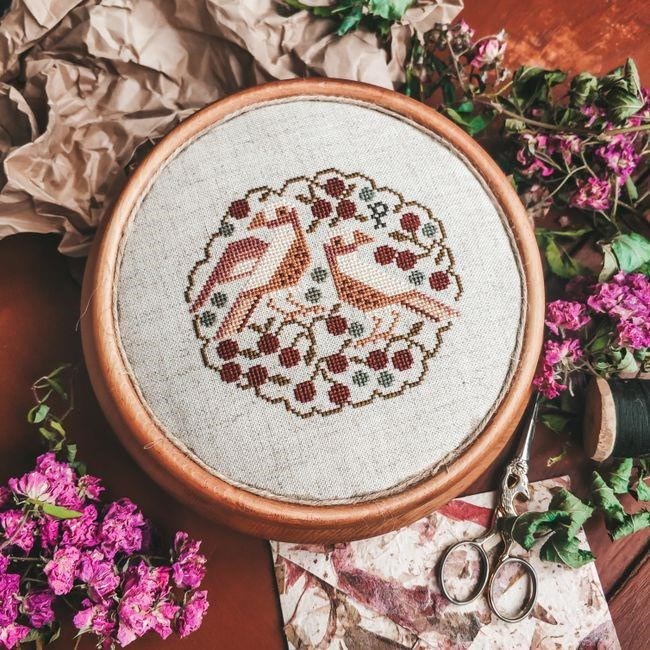
When you open a cross‑stitch PDF, the first thing you’ll notice is the grid—a matrix of tiny squares that map out every stitch in the design. Each square is a visual cue for a single cross‑stitch, and the grid’s uniform size ensures that your finished piece will match the intended dimensions. The grid is usually printed on a high‑resolution PDF, so the lines remain crisp even after scaling or printing on different paper types. Before you begin stitching, it’s essential to understand the color key, which is typically located in the upper right corner or beneath the grid. The key lists the thread colors, often using a standardized code such as DMC, Anchor, or Rombach, and pairs each code with a small square or symbol that mirrors the grid’s color. Some patterns also include a legend that shows the thread’s name or brand, which can be helpful if you’re working with a limited thread set. To read the grid effectively, start at the top left corner and work your way horizontally across each row, then move down to the next row. This systematic approach prevents skipping stitches and keeps your pattern organized. If the PDF includes a “stitch count” column, you can use it to keep track of how many stitches you’ve completed in a particular area, which is useful for complex designs with many colors. When you’re ready to stitch, place the printed PDF on a lightbox or a well‑lit window so the grid lines remain visible through the fabric. Keep the fabric taut in a hoop or frame, and use a needle that matches the thread’s thickness to maintain consistent tension. By following the grid and color key closely, you’ll ensure that each stitch aligns perfectly, producing a clean, accurate final piece that reflects the designer’s original vision.
When scaling a PDF for different fabric counts, the grid’s square size changes proportionally. For example, a 10 count canvas will produce larger squares than a 12 count, so each grid unit represents a different number of stitches. It’s important to adjust the print size accordingly, using the printer’s scaling options or a dedicated PDF editor. Some designers provide a “size chart” that shows the final dimensions for various canvas counts, which can be cross‑referenced with the color key to ensure you’re using the correct thread shades. Additionally, many cross‑stitch PDFs include a “thread count” column that lists the number of threads needed per color. This column is especially useful when planning your thread stash, as it allows you to estimate how many skeins you’ll need before you start stitching. If you’re working with a limited thread supply, you can cross‑reference the key with your existing threads to see if any colors are missing. In such cases, you might consider using a color‑matching app or a thread color wheel to find the closest substitute. Finally, keep a small notebook or a digital note of any color substitutions you make, so you can replicate the pattern accurately in future projects or share your modifications with the community. Keep grid visible for accuracy.
Managing Thread Cross-Over and Quantity
Cross‑stitch PDFs often contain a “thread count” column listing how many stitches each color will occupy. Before you start, calculate the total stitches for each thread by multiplying the count by the stitch size (e.g., 10‑count canvas). If you’re working with a limited thread stash, cross‑reference the key with your available colors. For missing shades, consider using a color‑matching app or a thread color wheel to find the closest substitute. The thread count column helps you estimate thread usage before you begin.
Thread cross‑over—where one color passes over or under another—can dramatically affect the final look. Plan thread order for smooth transitions. Start by reviewing the color key and noting the sequence of colors in the pattern. For each color change, decide whether the new thread will go over or under the previous one. Many designers recommend over‑under: lighter over darker,darkerunder lighter. This simple rule reduces visible thread lines and keeps the design clean.
Maintain consistent tension throughout the project. A loose thread can cause puckering, while a tight thread may break. Use a needle that matches the thread’s thickness and adjust the tension on your embroidery hoop or frame. By carefully planning thread order, calculating accurate quantities, and keeping tension steady, you’ll achieve a professional‑looking finished piece.
Software, Converters, and Community Resources
Digital Loom runs locally, eliminating paid converters. Free apps test color accuracy, while forums share tutorials and legal tips. Community sites host downloadable PDFs, user‑made charts, and step‑by‑step guides for beginners. Join us today!!
Local Software for PDF to Stitch Conversion
Digital Loom is a free, open‑source application that runs entirely on your computer. It reads PDF charts, automatically detects the grid, and converts each square into a stitchable pattern. The interface lets you choose thread colors, preview the design, and export a printable PDF or a machine‑ready file. Because it is local, no internet connection is required, and your private designs stay on your hard drive.
StitchMate offers a lightweight alternative with a focus on speed. It supports common PDF formats and includes a built‑in color picker that matches thread manufacturers’ swatches. Users can adjust stitch density, add borders, and generate a PDF that prints with crisp grid lines. The software also exports to popular embroidery formats for machine use.
For advanced users, StitchPro provides a comprehensive suite of tools. It can import PDFs, trace the grid manually or automatically, and assign thread colors from a large database. The program includes a preview mode that simulates the finished piece, allowing you to tweak color placement before printing. Export options include PDF, SVG, and embroidery file types.
All three programs emphasize user privacy and offline functionality. They support high‑resolution PDFs, allowing you to scale the pattern up or down while preserving stitch accuracy. Whether you are a hobbyist or a professional pattern designer, these local tools give you full control over the conversion process.Enjoy!!!
Community Forums, Tutorials, and Legal Advice
Cross‑stitch enthusiasts gather on dedicated forums such as the Cross Stitch Forum, Ravelry, and the Reddit r/crossstitch community. These platforms offer threads on pattern conversion, thread selection, and troubleshooting. Members frequently share PDF conversion tips, discuss software like Digital Loom and StitchMate, and post step‑by‑step guides for beginners. Members also coordinate swap meets.
Tutorials are abundant on YouTube, with creators like Amanda Mae of ArdithDesign and the Digital Loom team providing video walkthroughs that cover everything from reading a PDF chart to printing a crisp grid. Blogs such as the Quilting Bee’s “Downloadable PDF Cross Stitch Pattern” series break down color keys, thread counts, and scaling techniques. Many tutorials also address the use of free converters and how to maintain color accuracy when exporting to embroidery machines. Creators also provide printable color charts.
Legal advice is crucial when using or sharing PDF patterns. The majority of downloadable charts are subject to copyright, so it is essential to verify the license before printing or distributing. Public domain collections, such as those found on Project Gutenberg’s textile section, offer free, royalty‑free patterns. When creating derivative works, the “Creative Commons” licenses—especially CC‑BY and CC‑BY‑SA—should be respected; Always credit the original designer and check whether the pattern can be commercially reused. For commercial projects, securing a written license or purchasing a premium pattern from a reputable marketplace protects both the creator and the user from infringement claims. Legal advice can clarify licensing.
By actively participating in forums, following reputable tutorials, and respecting legal guidelines, stitchers can safely explore new designs, improve their skills, and contribute to a vibrant, supportive community. Community engagement often sparks collaborations and skill sharing. Enjoy!.