i will walk with jesus sheet music pdf

I Will Walk With Jesus Sheet Music PDF: A Comprehensive Guide

Discover readily available‚ free PDF versions of “I Will Walk With Jesus” sheet music‚ crafted by composers like Stephen P. Schank and arrangers like Peter McClanahan.

Explore resources offering simplified piano lead sheets‚ guitar tabs‚ and vocal arrangements (SATB‚ SSATTB) for diverse musical skill levels and instrumentation preferences.

“I Will Walk With Jesus” stands as a beloved hymn‚ deeply cherished within Christian communities for its message of faith and devotion. The availability of its sheet music in PDF format has significantly broadened access for musicians of all levels‚ fostering a wider appreciation for this inspiring composition.

This hymn‚ penned by Stephen P. Schank‚ offers a comforting promise of companionship with Jesus throughout life’s journey. The readily accessible sheet music‚ often found through free online resources and platforms like Sheet Music Plus‚ empowers individuals to learn and perform this piece independently.

Whether you’re a seasoned pianist‚ a budding guitarist‚ or a vocalist seeking arrangements for your choir (SATB or SSATTB)‚ the PDF format provides a convenient and cost-effective way to obtain the music. Simplified lead sheets‚ particularly useful for beginner piano players‚ are also frequently available‚ making this hymn accessible to a broad audience.

Historical Context of the Hymn

While specific details surrounding the hymn’s initial composition and publication remain somewhat limited‚ “I Will Walk With Jesus” gained prominence through its beautiful melody and heartfelt lyrics. The increasing availability of sheet music‚ particularly in the convenient PDF format‚ has played a crucial role in its continued dissemination and enduring popularity within contemporary worship settings.

The work of arrangers like Peter McClanahan has been instrumental in adapting the hymn for various instruments and vocal ensembles. These arrangements‚ often shared freely online‚ demonstrate a commitment to preserving and promoting this cherished piece of sacred music.

The digital age‚ and the ease of sharing PDF sheet music‚ has allowed “I Will Walk With Jesus” to transcend geographical boundaries‚ reaching musicians and congregations worldwide. This accessibility ensures the hymn’s message of faith continues to resonate with audiences for generations to come.

Stephen P. Schank: The Composer

Stephen P. Schank is the talented composer behind the beloved hymn‚ “I Will Walk With Jesus.” His musical gift has provided a powerful vehicle for expressing faith and devotion‚ and the widespread availability of sheet music in PDF format has amplified the reach of his work.

Schank’s composition lends itself beautifully to various arrangements‚ as evidenced by the numerous versions available online. These adaptations‚ often created by musicians like Peter McClanahan‚ showcase the hymn’s versatility and enduring appeal. The ease of accessing these PDFs has fostered a vibrant community of musicians sharing and performing his music.

Through his composition‚ Schank has created a lasting legacy‚ and the continued accessibility of “I Will Walk With Jesus” sheet music ensures his work will continue to inspire and uplift audiences for years to come.

Finding “I Will Walk With Jesus” Sheet Music

Locate free PDF sheet music easily through online platforms‚ offering arrangements for piano‚ guitar‚ and vocals‚ created by composers and arrangers.

Availability of Free PDF Versions

Numerous websites provide free PDF versions of “I Will Walk With Jesus” sheet music‚ catering to various musical needs and preferences. These resources often feature arrangements by talented individuals like Peter McClanahan‚ who has specifically arranged this hymn for different skill levels.

You can find simplified lead sheets ideal for beginner piano players‚ focusing on chord patterns rather than complex bass clef reading. These versions are excellent for solidifying foundational musical understanding. Furthermore‚ arrangements exist for guitar‚ flute‚ and various vocal ensembles‚ including SATB and SSATTB voicings.

Daniel Lee Gibby’s contributions are also noteworthy‚ and acknowledging composers through contact is encouraged when utilizing their work. These free resources offer a fantastic starting point for learning and performing this beautiful hymn‚ making it accessible to a wider audience.

Legality and Copyright Considerations

When downloading and utilizing free “I Will Walk With Jesus” sheet music PDFs‚ understanding legality and copyright is crucial. While many websites offer free access‚ it’s essential to respect the rights of the composer‚ Stephen P. Schank‚ and any arrangers involved‚ such as Peter McClanahan and Daniel Lee Gibby.

Generally‚ hymns within the public domain are freely usable. However‚ specific arrangements may still be protected by copyright. It’s good practice to check the website’s terms of use and licensing information before downloading and distributing the music.

Supporting composers by acknowledging their work‚ and potentially purchasing arrangements from platforms like Sheet Music Plus‚ ensures continued creation of valuable musical resources. Respecting copyright fosters a healthy environment for musicians and composers alike.

Popular Websites Offering Free Sheet Music

Numerous online platforms provide access to free sheet music for “I Will Walk With Jesus‚” catering to various instruments and skill levels. Many websites specialize in sacred or Christian music‚ offering downloadable PDFs of arrangements by composers like Stephen P. Schank and arrangers such as Peter McClanahan.

These resources frequently include simplified piano lead sheets‚ ideal for beginners‚ alongside more complex arrangements for piano‚ guitar‚ flute‚ and vocal ensembles (SATB‚ SSATTB). Exploring these sites allows musicians to find suitable versions for personal practice or group performance.

Remember to verify the source’s reliability and respect copyright considerations when utilizing free sheet music. Always acknowledge the composer and arranger when sharing or performing the music.

Sheet Music Plus and Similar Platforms

While offering convenience‚ platforms like Sheet Music Plus typically require purchases for “I Will Walk With Jesus” sheet music‚ providing professionally arranged and legally licensed versions. These sites boast extensive catalogs‚ often including arrangements beyond those found on free websites‚ encompassing diverse instrumentation like piano‚ guitar‚ flute‚ and vocal arrangements (SATB‚ SSATTB).

Similar platforms offer varying levels of arrangement complexity‚ from simplified lead sheets suitable for beginners to advanced scores for experienced musicians. They frequently feature arrangements by composers like Stephen P. Schank and contributions from arrangers such as Peter McClanahan.

Purchasing from these platforms supports music creators and ensures access to high-quality‚ accurate sheet music.

Understanding the Sheet Music

Decipher key signatures‚ chord progressions‚ and dynamic/tempo markings within “I Will Walk With Jesus” sheet music for accurate performance and musical interpretation.

Key Signatures and Transposition

Analyzing the key signature of “I Will Walk With Jesus” sheet music is crucial for accurate playing. Many simplified arrangements‚ particularly lead sheets for beginner piano players‚ are presented in the key of C major‚ eliminating sharps or flats.

However‚ the original composition or other arrangements might utilize different keys. Understanding key signatures allows musicians to identify the notes and chords accurately. Transposition‚ the process of shifting a piece of music to a different key‚ can be necessary to suit a vocalist’s range or an instrument’s capabilities.

When transposing‚ remember to adjust all notes and chords accordingly‚ maintaining the original musical intervals. Familiarity with circle of fifths and key signature rules will greatly aid in successful transposition. Recognizing the key allows for confident performance and adaptation of this beautiful hymn.

Chord Progressions in the Song

“I Will Walk With Jesus” features relatively straightforward chord progressions‚ making it accessible for beginner to intermediate musicians. Common chord structures found in sheet music arrangements often include primary chords like C‚ G‚ and F‚ frequently appearing in patterns like C-G-Am-F.

These progressions create a harmonious and uplifting feel‚ characteristic of the hymn’s message. Simplified lead sheets emphasize these core chords‚ allowing piano students to focus on rhythm and melody. More complex arrangements may introduce seventh chords or inversions‚ adding depth and nuance.

Understanding these chord patterns is fundamental for improvisation and accompaniment. Recognizing the harmonic structure allows musicians to confidently navigate the song and create their own interpretations‚ enhancing the overall musical experience.

Simplified Piano Arrangements (Lead Sheets)

Lead sheets for “I Will Walk With Jesus” present a streamlined approach to learning the song on piano‚ particularly beneficial for students. These arrangements typically feature the melody line and chord symbols above the staff‚ omitting detailed accompaniment patterns. This allows pianists to focus on reading the melody and coordinating basic chord voicings with their left hand.

Many free PDF versions prioritize this simplified format‚ often in the key of C for ease of play. This method solidifies understanding of chord patterns‚ fostering musicality without overwhelming complexity.

Starting with a lead sheet builds a strong foundation before tackling more elaborate piano arrangements‚ promoting confidence and musical independence. It’s an excellent stepping stone for developing fundamental piano skills.

Reading Bass Clef for Piano Players

While simplified lead sheets offer an accessible entry point‚ mastering the bass clef is crucial for comprehensive piano playing of “I Will Walk With Jesus.” Traditional sheet music arrangements utilize both treble and bass clefs‚ representing the melody and accompaniment respectively.

Beginner piano players often find reading the bass clef challenging. Consistent practice identifying notes on the bass clef staff is essential. Resources like flashcards and online exercises can aid in this process.

Understanding how chords are voiced in the left hand‚ as notated in the bass clef‚ adds depth and richness to the performance. Gradually incorporating bass clef reading alongside simplified arrangements builds a well-rounded skillset.

Understanding Dynamics and Tempo Markings

The “I Will Walk With Jesus” sheet music‚ particularly arrangements by composers like Peter McClanahan‚ incorporates dynamic and tempo markings to shape the musical expression. These notations‚ often found within the score‚ guide the performer’s interpretation beyond simply playing the correct notes.

Dynamic markings – such as p (piano‚ soft)‚ mf (mezzo forte‚ medium loud)‚ and f (forte‚ loud) – indicate the desired volume. Tempo markings‚ like Andante (walking pace) or Moderato (moderate pace)‚ establish the speed of the music.

Paying attention to these details breathes life into the hymn. Subtle shifts in dynamics and tempo create emotional nuance‚ enhancing the spiritual impact of the song. Practice interpreting these markings to deliver a more compelling performance.

Different Arrangements and Instrumentations

Explore diverse arrangements of “I Will Walk With Jesus” in PDF format‚ including piano solos‚ guitar tabs‚ flute scores‚ and vocal arrangements (SATB‚ SSATTB);

Piano Arrangements (Solo & Accompaniment)

Discover a wealth of piano arrangements for “I Will Walk With Jesus‚” catering to varying skill levels. Many resources offer solo piano versions‚ perfect for intermediate players seeking a devotional piece. However‚ simplified lead sheets‚ often in the key of C with clearly labeled chords‚ are exceptionally beneficial for beginner piano students.

These lead sheets prioritize chord comprehension over complex bass clef reading‚ solidifying foundational musical understanding. More advanced pianists can find fully-notated arrangements‚ including both solo and accompaniment parts‚ offering a richer harmonic texture.

Websites specializing in sacred sheet music frequently provide these options in easily downloadable PDF format. Consider exploring arrangements that incorporate dynamics and phrasing markings to enhance expressive performance. Furthermore‚ some arrangements are specifically designed for teaching purposes‚ emphasizing basic fingering techniques and chord patterns‚ making learning more accessible and enjoyable.

Guitar Tabs and Chord Charts

Guitarists seeking to play “I Will Walk With Jesus” will find numerous chord charts and tablature arrangements available online‚ often in PDF format. These resources cater to various skill levels‚ from beginner-friendly simplified chord progressions to more intricate fingerstyle arrangements.

Chord charts typically present the song’s harmonic structure using standard chord diagrams‚ allowing guitarists to strum along with the melody. Tabs‚ on the other hand‚ visually depict which frets and strings to play‚ enabling more accurate reproduction of the song’s arrangement.

Many websites dedicated to free sheet music offer these guitar-specific resources. Beginners can start with simplified charts focusing on common chords‚ while experienced players can explore more complex arrangements incorporating embellishments and variations.

Remember to check the key signature and adjust the chords accordingly to match your vocal range or ensemble.

Flute and Other Wind Instrument Arrangements

Wind instrument players‚ particularly flutists‚ can locate sheet music for “I Will Walk With Jesus” adapted for their instruments‚ frequently available as downloadable PDFs. These arrangements often transpose the original piano or vocal melody to suit the range and timbre of the flute or other wind instruments.

You’ll discover arrangements ranging from simple melodic lines suitable for beginners to more elaborate versions incorporating harmonies and countermelodies. These PDFs often include key signatures‚ time signatures‚ and dynamic markings to guide performance.

Searching online sheet music repositories and dedicated wind instrument resources will yield a variety of options. Consider the arrangement’s difficulty level and ensure it aligns with your playing ability.

Adapting the hymn for clarinet‚ oboe‚ or saxophone is also possible‚ often requiring some transposition or modification of the original flute arrangement.

SATB Vocal Arrangements

SATB (Soprano‚ Alto‚ Tenor‚ Bass) vocal arrangements of “I Will Walk With Jesus” are widely accessible in PDF format‚ catering to church choirs and vocal ensembles. These arrangements typically feature four distinct vocal parts‚ harmonizing the melody and creating a rich choral texture.

Many free sacred sheet music websites offer downloadable SATB scores‚ often including piano accompaniment. These PDFs clearly indicate each vocal part‚ with lyrics printed below the notes for ease of singing.

Arrangements vary in complexity‚ ranging from simpler versions suitable for less experienced choirs to more challenging arrangements with intricate harmonies and vocal counterpoint.

Daniel Lee Gibby’s contributions are often found within these resources‚ providing quality arrangements for vocal performance. Always acknowledge the composer when utilizing these materials.

SSATTB Vocal Arrangements

SSATTB (Soprano 1‚ Soprano 2‚ Alto 1‚ Alto 2‚ Tenor‚ Bass) vocal arrangements of “I Will Walk With Jesus” offer a fuller‚ more nuanced harmonic texture compared to SATB voicing. These arrangements are ideal for larger‚ more advanced choirs seeking a richer sound.

Finding free SSATTB PDFs requires a bit more searching‚ but resources dedicated to sacred choral music frequently provide them. These scores meticulously detail each of the six vocal parts‚ ensuring clarity for singers.

SSATTB arrangements often feature divisi sections‚ where vocal parts split into multiple harmonies‚ creating a complex and beautiful sonic landscape.

Daniel Lee Gibby is a notable contributor to SSATTB arrangements‚ and his work is often available online. Remember to credit the composer when using these arrangements for performance or practice.

Using the Sheet Music for Learning

Master “I Will Walk With Jesus” using simplified lead sheets‚ focusing on chord patterns and basic fingering techniques for piano‚ enhancing musical understanding.

Tips for Beginner Piano Players

Embarking on “I Will Walk With Jesus” as a beginner? Start with the simplified piano lead sheet in the key of C; it’s incredibly accessible. Focus on playing one hand at a time – mastering the right-hand melody before adding the left-hand chords.

Don’t be afraid to slow down the tempo significantly! Accuracy is far more important than speed initially. Utilize a metronome to build consistent rhythm. Pay close attention to the chord labels above the melody; understanding these patterns is fundamental.

Practice transitioning smoothly between chords. Begin with just two chords‚ then gradually add more as you become comfortable. Remember‚ consistent‚ short practice sessions are more effective than infrequent‚ lengthy ones. Most importantly‚ enjoy the process of learning this beautiful hymn!

Learning Chord Patterns

“I Will Walk With Jesus” provides an excellent foundation for understanding primary chord progressions. The sheet music‚ particularly the lead sheet arrangements‚ clearly displays these chords above the melody. Focus on recognizing common patterns like I-IV-V-I‚ which frequently appear in this hymn and countless other songs.

Practice transitioning between these chords slowly and deliberately‚ focusing on smooth finger movements. Experiment with different inversions of the chords to add variety and richness to your playing. Understanding how chords relate to each other unlocks a deeper comprehension of music theory.

Utilize the simplified arrangements to solidify your grasp of these patterns before tackling more complex versions. This hymn’s structure makes it ideal for building a strong foundation in harmonic understanding and musicality.

Developing Basic Fingering Techniques

“I Will Walk With Jesus” sheet music‚ especially simplified piano arrangements‚ is perfect for honing fundamental fingering skills. Begin by focusing on consistent finger placement for each chord‚ aiming for accuracy and efficiency. Pay attention to the suggested fingerings in the sheet music as a starting point‚ but don’t be afraid to experiment.

Practice scales and arpeggios related to the song’s key signature to build dexterity and muscle memory. Slow‚ deliberate practice is crucial; prioritize precision over speed initially. Gradually increase tempo as your fingers become more comfortable with the movements.

Consistent practice with the hymn’s chord progressions will naturally improve your fingering technique‚ leading to smoother and more expressive playing.

Practicing with a Metronome

Utilizing a metronome while learning “I Will Walk With Jesus” from sheet music significantly enhances rhythmic accuracy and consistency. Start at a slow tempo‚ ensuring each note aligns precisely with the beat. Gradually increase the tempo as you gain confidence and proficiency.

The hymn’s structure lends itself well to metronomic practice; focus on maintaining a steady pulse throughout chord changes and melodic phrases. This is particularly beneficial for beginner piano players developing their timing skills.

Experiment with different time signatures to deepen your understanding of the music’s rhythmic foundation. Consistent metronome practice will translate to improved musicality and a more polished performance.

Incorporating Dynamics and Phrasing

Elevate your performance of “I Will Walk With Jesus” by carefully observing and implementing dynamic markings found within the sheet music. Subtle variations in volume – from piano (soft) to forte (loud) – add emotional depth and nuance.

Pay close attention to phrasing; shape musical lines by slightly lengthening certain notes and gently connecting others. This creates a more expressive and lyrical interpretation. Consider the hymn’s lyrical content when shaping phrases.

Experiment with rubato – a slight speeding up and slowing down of tempo – to enhance the emotional impact. Remember‚ dynamics and phrasing breathe life into the music‚ transforming notes on a page into a heartfelt expression.

Resources and Further Information

Explore arrangements by Peter McClanahan and Daniel Lee Gibby‚ alongside free sacred sheet music websites‚ and online piano lesson plans for enhanced learning.

Peter McClanahan’s Arrangements

Peter McClanahan has become a prominent figure in providing accessible arrangements of “I Will Walk With Jesus‚” particularly through freely downloadable PDF sheet music.

His arrangements are frequently cited as a valuable resource for musicians seeking a well-notated and performable version of this beloved hymn. The document‚ often available online‚ is a complete musical score‚ detailing dynamics‚ tempo changes‚ and phrasing instructions.

McClanahan’s work focuses on clarity and accuracy‚ making his sheet music suitable for both experienced musicians and those still developing their skills. He provides a solid foundation for learning and performing this inspiring piece‚ and his contributions are widely appreciated within the Christian music community. His arrangements are often the first point of call for those seeking readily available sheet music.

Daniel Lee Gibby’s Contributions

Daniel Lee Gibby is recognized for his significant contributions to the availability of sacred sheet music‚ including arrangements of “I Will Walk With Jesus” in PDF format.

Gibby’s work often focuses on providing vocal arrangements‚ specifically voicing for SATB and SSATTB ensembles‚ catering to a wide range of church choirs and vocal groups. He actively encourages those who utilize his arrangements to express gratitude directly to him for his efforts.

His dedication to sharing his musical arrangements freely has made “I Will Walk With Jesus” more accessible to musicians and congregations alike. Gibby’s arrangements are valued for their accuracy and suitability for worship services‚ and he continues to be a respected figure in the realm of free sacred sheet music provision.

Free Sacred Sheet Music Websites

Numerous websites specialize in offering free sacred sheet music‚ including arrangements of “I Will Walk With Jesus” in convenient PDF format; These platforms serve as valuable resources for musicians‚ choir directors‚ and individuals seeking accessible Christian music.

Many sites host arrangements contributed by talented musicians like Peter McClanahan and Daniel Lee Gibby‚ providing a diverse selection of voicings and instrumentations. Users can typically view‚ download‚ and print sheet music directly from these websites‚ often without registration requirements.

These online repositories greatly expand the reach of sacred music‚ enabling wider participation in worship and musical expression. Always remember to respect copyright considerations and acknowledge the contributions of the arrangers when utilizing these free resources.

Online Piano Lesson Plans

Integrating “I Will Walk With Jesus” sheet music into structured online piano lesson plans can significantly enhance a student’s learning experience. Simplified arrangements‚ particularly lead sheets in the key of C‚ are ideal for beginners focusing on chord patterns.

These plans often emphasize foundational skills like basic fingering techniques and reading chord labels‚ allowing students to quickly engage with the hymn’s melody and harmony. Utilizing the sheet music alongside lesson plans fosters a deeper understanding of musical structure.

Furthermore‚ incorporating practice with a metronome and attention to dynamics and phrasing elevates performance quality. Online resources provide step-by-step guidance‚ making learning accessible and enjoyable for aspiring pianists.

Primary Chord Progression Songs for Practice

Leveraging “I Will Walk With Jesus” sheet music alongside other songs employing primary chord progressions—like C‚ G‚ Am‚ and F—provides invaluable practice for aspiring musicians. This hymn’s relatively simple harmonic structure makes it an excellent vehicle for solidifying chord recognition and smooth transitions.

Students can benefit from comparing and contrasting the chord patterns in “I Will Walk With Jesus” with those found in other familiar tunes‚ reinforcing their understanding of musical relationships.

This comparative approach accelerates learning and builds confidence. Utilizing simplified piano arrangements and lead sheets further streamlines the process‚ allowing focused practice on essential chord changes and rhythmic accuracy‚ ultimately enhancing overall musicality.


how to prepare business plan pdf

Crafting a business plan in PDF format streamlines sharing and presentation. These documents detail goals‚ strategies‚ and projections‚
essential for securing funding or guiding operations in 2026.

Why Use a PDF Format?

PDFs offer unparalleled portability and consistency‚ ensuring your business plan appears as intended across all devices and operating systems. This format safeguards formatting‚ fonts‚ and images‚ preventing unwanted alterations during sharing. Crucially‚ PDFs are universally accessible – recipients don’t require specific software to view them‚ unlike editable document formats.

For entrepreneurs in 2026‚ a polished‚ professional presentation is paramount. PDFs convey credibility and attention to detail‚ vital when seeking investment or partnerships. They also facilitate easy archiving and version control‚ maintaining a clear history of your business’s evolution. Furthermore‚ PDFs can be digitally signed for added security and authentication‚ protecting sensitive business information. Utilizing a PDF ensures your plan remains a cohesive‚ reliable document throughout its lifecycle.

The Importance of a Business Plan in 2026

In the dynamic business landscape of 2026‚ a well-crafted business plan isn’t merely recommended – it’s essential for survival and growth. It serves as a roadmap‚ outlining objectives‚ strategies‚ and anticipated challenges. This document is crucial for securing funding from investors or lenders‚ demonstrating a clear understanding of the market and a viable path to profitability.

Beyond financial considerations‚ a business plan forces critical self-assessment. It compels entrepreneurs to analyze their target market‚ competitive advantages‚ and operational capabilities. This proactive planning minimizes risks and maximizes opportunities. A detailed plan also fosters internal alignment‚ ensuring all team members share a common vision and work towards unified goals. Starting a business requires a focused plan‚ and a business plan is the first step.

Core Components of a Business Plan

A comprehensive plan includes an executive summary‚ business description‚ market analysis‚ and organizational structure. These sections‚ plus financial projections‚ form a solid foundation.

Executive Summary

The executive summary is a crucial first impression‚ concisely presenting your entire business plan. It should highlight key aspects – the business concept‚ target market‚ competitive advantages‚ financial projections‚ and funding requests (if any). Think of it as an elevator pitch in written form‚ captivating readers immediately.

Focus on clarity and brevity; aim for no more than one or two pages. Quantify your claims with data whenever possible. Investors and lenders often base initial decisions solely on this section‚ so accuracy and persuasiveness are paramount. It must clearly articulate the problem you solve‚ your proposed solution‚ and the potential for return on investment.

Essentially‚ it’s a condensed version of the entire document‚ designed to pique interest and encourage further reading. A well-crafted executive summary demonstrates a clear understanding of your business and its potential for success in the evolving landscape of 2026.

Business Description

This section details precisely what your business is. It goes beyond a simple product or service listing‚ delving into the core of your operations. Clearly articulate what you produce‚ for whom‚ and what makes your business unique. Reflect your management team’s values and the desired business culture.

Describe your legal structure (sole proprietorship‚ LLC‚ corporation‚ etc.) and ownership details. Explain your industry positioning and competitive landscape. What needs are you fulfilling? What problems are you solving? Be specific about your offerings – features‚ benefits‚ and how they differ from competitors;

A strong business description establishes credibility and demonstrates a thorough understanding of your venture. It’s not just about what you do‚ but why you do it‚ and how you intend to succeed in the market‚ especially considering the dynamic business environment anticipated in 2026.

Market Analysis

A comprehensive market analysis is crucial for demonstrating a clear understanding of your target audience and the broader industry landscape. This section requires thorough research‚ identifying your ideal customer – demographics‚ needs‚ and purchasing behaviors. Define your target market size and potential for growth‚ especially looking ahead to 2026.

Analyze your competition. Who are your key rivals? What are their strengths and weaknesses? How will you differentiate yourself? Assess industry trends‚ potential challenges‚ and opportunities. Utilize market research data to support your claims and projections.

Demonstrate a realistic assessment of the market‚ acknowledging both potential and risks. A well-researched market analysis builds investor confidence and validates your business model‚ proving you’ve considered the external factors impacting your success.

Organization and Management

This section details the structure of your business and the key individuals driving its success. Clearly define your organizational chart‚ outlining roles and responsibilities. Highlight the experience and expertise of your management team‚ including resumes in the appendix.

Specify the legal structure of your business – sole proprietorship‚ partnership‚ LLC‚ or corporation – and explain the rationale behind your choice. Detail the ownership structure and any advisory boards or key consultants. Investors want to know who is running the show and their qualifications.

Emphasize the team’s ability to execute the business plan. A strong management team instills confidence and demonstrates a commitment to achieving stated goals. Clearly articulate how the organizational structure supports the overall business strategy and facilitates efficient operations.

Financial Projections

Detailed financial forecasts are crucial‚ including startup costs‚ funding requests‚ projected income statements‚ and cash flow statements.
These demonstrate viability and attract investors.

Startup Costs

Precisely outlining startup costs is fundamental to a robust business plan PDF. This section demands a comprehensive listing of all expenses incurred before revenue generation begins. Consider everything from legal fees for permits and licenses – essential for compliant operation – to initial inventory purchases and marketing expenditures. Don’t overlook seemingly minor costs like website domain registration or business cards.

Categorize these expenses for clarity: one-time costs (equipment‚ initial licenses) versus recurring costs (rent‚ utilities). Be realistic and potentially overestimate to build in a buffer. Include costs for key personnel‚ even if initially self-funded‚ representing the value of your time. A detailed breakdown demonstrates financial acumen to potential investors and provides a clear understanding of the capital required to launch successfully. Accurate projections are vital for securing funding and managing cash flow effectively in the early stages of your business.

Funding Request (if applicable)

If seeking external funding‚ this section of your business plan PDF is paramount. Clearly state the exact amount of funding required and meticulously detail how these funds will be allocated. Investors need to understand precisely where their money is going and the anticipated return on investment.

Specify the type of funding sought – debt‚ equity‚ or a combination. Outline the proposed terms‚ including interest rates (for debt) or equity percentage offered. Connect the funding request directly to your financial projections‚ demonstrating how the investment will fuel growth and profitability. A compelling narrative explaining why your business is a worthy investment is crucial. Be prepared to justify every dollar requested with concrete data and realistic expectations. Transparency and a well-defined repayment or return strategy build investor confidence.

Projected Income Statement

The projected income statement‚ a core component of your business plan PDF‚ forecasts revenues‚ costs‚ and profits over a specified period – typically three to five years. This isn’t simply guesswork; it’s a data-driven estimate based on thorough market analysis and realistic sales projections. Detail your revenue streams‚ outlining anticipated sales volume and pricing strategies.

Meticulously list all anticipated expenses‚ including cost of goods sold‚ operating expenses (rent‚ utilities‚ salaries)‚ and marketing costs. Present this information in a clear‚ easy-to-understand format‚ often using tables or charts. Showcase gross profit‚ operating income‚ and net income. Sensitivity analysis – demonstrating how changes in key variables (like sales volume or pricing) impact profitability – adds credibility. A well-constructed income statement demonstrates financial viability and attracts potential investors.

Cash Flow Statement

A crucial element within your business plan PDF‚ the cash flow statement tracks the movement of money into and out of your business. Unlike the income statement‚ it focuses on actual cash transactions‚ not accounting profits. This statement is vital for understanding your company’s liquidity – its ability to meet short-term obligations.

Categorize cash flows into three activities: operating (from core business activities)‚ investing (purchase/sale of assets)‚ and financing (loans‚ equity). Project these flows monthly for the first year‚ then quarterly or annually for subsequent periods. Accurately forecasting cash flow prevents potential shortfalls and demonstrates responsible financial management. Investors prioritize businesses with positive cash flow and a clear understanding of their financial runway. A detailed statement builds confidence and showcases preparedness.

Marketing and Sales Strategy

Detailing your approach to reaching customers is key. A strong plan outlines sales tactics and a comprehensive marketing strategy‚ boosting figures and growth.

Sales Strategies

Developing effective sales strategies is paramount for business success‚ and your business plan PDF should clearly articulate these approaches. Consider a multi-faceted strategy encompassing direct sales‚ online marketing‚ and potential partnerships. Detail how you’ll acquire customers‚ focusing on both initial acquisition costs and long-term customer value.

Outline specific tactics like content marketing‚ social media campaigns‚ email marketing‚ and search engine optimization (SEO). If employing a sales team‚ describe their structure‚ compensation‚ and training programs. For online sales‚ specify your e-commerce platform and customer service protocols.

Crucially‚ quantify your sales projections. Estimate sales volume‚ average transaction value‚ and sales cycle length; Explain how these projections align with your overall marketing budget and revenue goals. A well-defined sales strategy demonstrates a clear path to revenue generation and builds confidence with potential investors.

Marketing Plan

A robust marketing plan within your business plan PDF is vital for reaching your target audience and building brand awareness. Begin by clearly defining your ideal customer – demographics‚ psychographics‚ and buying behaviors. This informs all subsequent marketing efforts.

Detail your chosen marketing channels: social media (specifying platforms)‚ content marketing (blog posts‚ videos‚ infographics)‚ email marketing‚ paid advertising (PPC‚ social media ads)‚ and public relations. For each channel‚ outline specific tactics‚ budget allocation‚ and key performance indicators (KPIs) to measure success.

Emphasize your unique selling proposition (USP) – what differentiates your business from competitors. Explain how your marketing messages will communicate this value. Include a timeline for marketing activities and a plan for adapting your strategy based on performance data. A comprehensive marketing plan demonstrates a proactive approach to customer acquisition and market penetration.

Appendix & Supporting Documents

Include vital supporting materials like resumes‚ permits‚ licenses‚ and detailed market research data within your business plan PDF for comprehensive backing.

Resumes of Key Personnel

The resumes section within your business plan PDF provides crucial insight into the experience and qualifications of your leadership team. Each resume should be comprehensive‚ detailing relevant work history‚ educational background‚ and key skills. Focus on accomplishments and quantifiable results whenever possible‚ demonstrating a track record of success.

Highlight experience directly related to the proposed business venture‚ emphasizing expertise in areas like management‚ marketing‚ finance‚ or operations. Investors and lenders will scrutinize this section to assess the team’s ability to execute the business plan effectively. Ensure resumes are professionally formatted and free of errors.

Consider including a brief introductory paragraph for each resume‚ summarizing the individual’s role within the company and their key contributions. This provides context and helps readers quickly understand each person’s value. A strong resumes section builds confidence and demonstrates a capable team ready to tackle challenges.

Permits and Licenses

A comprehensive business plan PDF must detail all necessary permits and licenses required for legal operation. This section demonstrates due diligence and proactive compliance. Begin by identifying federal‚ state‚ and local requirements specific to your industry and location. Include details like application processes‚ associated costs‚ and estimated timelines for obtaining each permit or license.

Categorize requirements clearly – for example‚ business operating licenses‚ professional licenses (if applicable)‚ zoning permits‚ health permits‚ and environmental permits. Specify the issuing authority for each and provide contact information for further inquiries. A table format can enhance clarity and organization.

Highlight any potential challenges or delays in obtaining these approvals‚ and outline contingency plans. Demonstrating awareness of regulatory hurdles reassures investors and lenders. This section proves you’ve considered the practical aspects of launching and running your business legally and ethically.

Market Research Data

Robust market research is foundational to a compelling business plan PDF. This section showcases a deep understanding of your target audience‚ industry trends‚ and competitive landscape. Include both primary research – surveys‚ interviews‚ focus groups – and secondary research – industry reports‚ government data‚ competitor analysis.

Present data visually using charts‚ graphs‚ and tables to illustrate key findings. Quantify market size‚ growth potential‚ and your projected market share. Detail customer demographics‚ psychographics‚ and buying behaviors. Analyze competitor strengths and weaknesses‚ identifying opportunities for differentiation.

Specifically‚ include data on market needs‚ pricing sensitivity‚ and distribution channels. Cite your sources meticulously to establish credibility. A well-supported market analysis demonstrates that your business idea is viable and grounded in reality‚ attracting potential investors and lenders.

Choosing a Business Plan Template (PDF)

Selecting the right PDF business plan template is crucial for efficiency and clarity. Numerous options exist‚ ranging from simple‚ one-page lean plans to comprehensive‚ detailed documents. Consider your business’s complexity and intended audience – investors typically require more in-depth plans than internal use.

Look for templates categorized by industry or business type (startup‚ nonprofit‚ etc.). Many free and customizable templates are available online‚ offering a starting point for your plan. Online editors simplify the customization process‚ allowing you to add your specific details and branding.

Prioritize templates with clear sections aligned with standard business plan components: executive summary‚ business description‚ market analysis‚ and financial projections; Ensure the template is easily editable and allows for the inclusion of supporting documents in the appendix. A well-structured template streamlines the planning process and presents a professional image.

rival turkey roaster manual

Rival Turkey Roaster Manual: A Comprehensive Guide

This manual details Rival roaster oven use‚ including ham cooking‚ baking‚ and slow cooking․ It covers setup‚ safety‚ cleaning‚ and troubleshooting for optimal performance․

Rival turkey roasters have long been a kitchen staple‚ offering a convenient and efficient alternative to traditional ovens‚ especially during holiday seasons․ These electric roaster ovens excel at cooking large items like turkeys‚ hams‚ and roasts‚ freeing up valuable oven space․ They provide consistent‚ even heating‚ resulting in juicy and flavorful results․

This guide serves as a comprehensive resource for understanding and utilizing your Rival roaster oven to its full potential․ Whether you’re a seasoned cook or a first-time user‚ this manual will walk you through every step‚ from initial setup and safety precautions to mastering various cooking techniques․ Beyond turkey‚ discover the versatility of your roaster for baking‚ slow cooking‚ and keeping food warm․

We’ll also cover essential maintenance and troubleshooting tips to ensure years of reliable performance from your Rival appliance․ Prepare to unlock a world of culinary possibilities!

Understanding Your Roaster Oven

Your Rival roaster oven consists of several key components: the roasting pan‚ the rack‚ and the oven body itself‚ housing the heating elements and temperature controls․ The roasting pan is typically removable for easy cleaning‚ and the rack elevates the food‚ allowing for even cooking and preventing it from sitting in its own juices․

The oven body features adjustable temperature settings‚ often ranging from “Warm” to 450°F (232°C)․ A built-in timer allows for precise cooking durations․ Familiarize yourself with the control panel‚ noting the power indicator light and any specific settings for different cooking functions․ Understanding these features is crucial for achieving optimal results․

Rival roasters utilize dry heat‚ similar to a conventional oven‚ creating a browned and crispy exterior on your food․ The size of the roaster dictates the maximum capacity‚ so consider this when planning your meals․ Proper ventilation is also key‚ as the oven generates heat during operation․

Safety Precautions

Always operate your Rival roaster oven on a stable‚ heat-resistant surface‚ away from flammable materials․ Never leave the roaster unattended while in use․ The exterior surfaces become hot during operation – use oven mitts or pot holders when handling․ Avoid immersing the oven body in water or any other liquid․

Ensure the power cord is undamaged and properly grounded․ Do not use an extension cord unless absolutely necessary‚ and then only a heavy-duty cord rated for the roaster’s wattage․ Keep children and pets away from the hot roaster․ Allow the oven to cool completely before cleaning or storing․

Never attempt to repair the roaster yourself; contact a qualified technician for any repairs․ Be cautious when handling hot food and the roasting pan․ Proper ventilation is essential to prevent overheating and potential hazards․ Following these precautions ensures safe and enjoyable cooking․

Setting Up Your Rival Turkey Roaster

Proper setup involves unpacking‚ inspecting components‚ ensuring adequate ventilation‚ and correctly assembling the roaster for safe and efficient operation before first use․

Unpacking and Initial Inspection

Carefully remove your Rival Turkey Roaster from the packaging‚ ensuring all packing materials are accounted for․ Inspect the unit thoroughly for any visible damage that may have occurred during shipping․ This includes dents‚ scratches‚ or broken parts on the exterior housing‚ roasting pan‚ rack‚ and any included accessories․

Verify that all components listed in the included parts list are present․ Retain the packaging materials for potential future transport or warranty claims․ Before first use‚ wash the roasting pan and rack with warm‚ soapy water to remove any manufacturing residue․ A quick visual check of the power cord is also crucial; look for any fraying or damage․ If any damage is detected‚ do not operate the roaster and contact customer support immediately․ Proper initial inspection guarantees safe and effective operation․

Proper Placement and Ventilation

When positioning your Rival Turkey Roaster‚ select a stable‚ level surface capable of supporting its weight‚ even when fully loaded․ Ensure ample space surrounds the unit – at least 6 inches on all sides – to facilitate proper ventilation․ Never place the roaster directly under cabinets or near flammable materials like curtains or paper towels․

Avoid operating the roaster on carpeted surfaces or near water sources․ Adequate ventilation is crucial to prevent overheating and ensure safe operation․ Do not block the ventilation openings located on the sides or rear of the unit․ The surface should be heat-resistant to protect your countertops․ Confirm the electrical outlet is easily accessible and not overloaded with other appliances․ Prioritizing correct placement safeguards against potential hazards․

Assembling the Roaster Components

Before first use‚ carefully unpack all components of your Rival Turkey Roaster․ Typically‚ these include the roaster oven base‚ roasting pan‚ rack‚ and lid․ Ensure all parts are present and undamaged․ To assemble‚ gently place the roasting pan inside the oven base‚ ensuring it sits securely․ Position the rack within the roasting pan; this elevates the turkey‚ allowing for even cooking and basting․

Next‚ securely attach the lid․ Most models feature a simple‚ hinged lid‚ while others may require alignment and a gentle press to lock into place․ Verify the lid fits snugly to retain heat during operation․ Do not force any components; if resistance is met‚ re-examine the alignment․ A properly assembled roaster ensures efficient and safe cooking․

Roasting a Turkey: Step-by-Step

Prepare‚ season‚ and stuff your turkey‚ then calculate roasting time based on weight․ Utilize a meat thermometer for accuracy‚ ensuring a perfectly cooked and flavorful result․

Preparing the Turkey for Roasting

Begin by fully thawing the turkey – a crucial step for even cooking․ Allow ample time‚ typically 24 hours for every 5 pounds of weight‚ in the refrigerator․ Remove the giblets and neck from the turkey cavity; these can be used for gravy later․ Rinse the turkey inside and out with cold water‚ then pat it completely dry with paper towels․ Drying the skin is essential for achieving a beautifully browned and crispy exterior during roasting․

Next‚ consider brining the turkey for enhanced moisture and flavor․ A brine typically consists of water‚ salt‚ sugar‚ and aromatics․ If brining‚ ensure the turkey is thoroughly rinsed after soaking․ Alternatively‚ you can simply rub the turkey skin with butter or oil to promote browning․ Preparing the turkey properly sets the stage for a delicious and successful roast in your Rival roaster oven․

Seasoning and Stuffing Options

Seasoning your turkey is key to flavor! A simple blend of salt‚ pepper‚ garlic powder‚ onion powder‚ paprika‚ and herbs like rosemary and thyme works wonderfully․ For a bolder taste‚ consider a dry rub with brown sugar and spices․ Don’t forget to season under the skin as well‚ for maximum flavor penetration․

Regarding stuffing‚ you have choices․ Stuffing inside the turkey cavity adds flavor but extends cooking time and requires careful temperature monitoring․ Ensure the stuffing reaches 165°F to prevent bacteria growth․ Alternatively‚ bake the stuffing separately in a casserole dish within the Rival roaster oven – this is a safer and often preferred method․ Tangy and sweet stuffing recipes complement roasted turkey beautifully‚ offering a delightful contrast to the savory meat․

Temperature Settings for Turkey Roasting

For optimal results‚ begin roasting your turkey at a higher temperature – typically 325°F (163°C) – for the first hour․ This helps to develop a beautiful golden-brown skin․ After the initial hour‚ reduce the temperature to 275°F (135°C) for the remainder of the roasting time․

The Rival roaster oven’s temperature control allows for precise adjustments․ Regularly check the oven’s temperature with an oven thermometer to ensure accuracy․ Avoid opening the oven door frequently‚ as this releases heat and prolongs cooking․ Remember that a consistent temperature is crucial for even cooking and a juicy turkey․ Utilizing the “Warm” setting is not for initial cooking‚ but for maintaining temperature post-roast․

Calculating Roasting Time Based on Weight

Determining the correct roasting time is vital for a perfectly cooked turkey․ A general guideline is to roast an unstuffed turkey for approximately 13 minutes per pound at 275°F (135°C) after the initial high-heat hour․ For a stuffed turkey‚ increase the roasting time to 15 minutes per pound․

However‚ these are estimates․ Turkey weight significantly impacts cooking duration․ A 12-pound turkey will require less time than a 20-pound bird; Always cross-reference with a meat thermometer for accurate doneness․ Remember to account for resting time – approximately 20-30 minutes – after roasting‚ as the internal temperature will continue to rise during this period․ Precise timing ensures a safe and delicious meal․

Using a Meat Thermometer for Accuracy

Achieving a safe and flavorful turkey hinges on accurate internal temperature readings․ Insert a meat thermometer into the thickest part of the thigh‚ avoiding the bone․ The turkey is considered safely cooked when the thigh reaches 165°F (74°C)․

Checking multiple spots – both thigh and breast – is recommended to ensure even cooking․ Digital thermometers provide quick and precise readings‚ while traditional models require a few minutes to stabilize․ Never rely solely on roasting time; a thermometer is the definitive indicator of doneness․ Consistent monitoring throughout the final hour of cooking is crucial for preventing over or undercooking‚ guaranteeing a perfect result every time․

Beyond Turkey: Versatile Cooking Options

Rival roasters excel beyond turkey‚ offering options like roasting ham‚ baking cakes and pies‚ slow cooking‚ and keeping dishes warm with the convenient “Warm” setting․

Roasting Ham with a Rival Roaster Oven

Roasting a ham in your Rival roaster oven is surprisingly simple and yields delicious results․ Begin by selecting a fully cooked‚ bone-in or boneless ham․ For optimal flavor and moisture‚ consider a ham with the rind still attached – scoring the rind in a diamond pattern allows fat to render during cooking‚ creating a beautiful glaze․

Place the ham directly into the roasting pan‚ cut-side down if boneless‚ or bone-side down if bone-in․ Adding a liquid‚ such as apple juice or pineapple juice‚ to the bottom of the pan helps maintain moisture․ Cover the ham loosely with foil during the initial roasting phase to prevent excessive browning․

A suggested roasting temperature is 325°F (160°C)․ Basting the ham periodically with a glaze – perhaps a tangy and sweet combination – during the last hour of cooking enhances both flavor and appearance․ Ensure the internal temperature reaches 140°F (60°C) for a safe and enjoyable meal․

Baking Cakes and Pies

Your Rival roaster oven isn’t just for meats; it’s surprisingly adept at baking cakes and pies! The consistent‚ even heat distribution often results in beautifully baked goods․ When baking‚ always use oven-safe bakeware – glass‚ metal‚ or ceramic pans are all suitable․ Adjust baking temperatures slightly downwards‚ typically by 25°F (15°C)‚ compared to a conventional oven‚ as roaster ovens retain heat efficiently․

For cakes‚ ensure the batter is evenly distributed in the pan and bake until a toothpick inserted into the center comes out clean․ Pies benefit from a slightly longer baking time‚ allowing the crust to become golden brown and the filling to set properly․

Monitor closely‚ as baking times can vary․ The “Warm” setting can be useful for keeping baked goods warm after they’re finished‚ but avoid prolonged use to prevent drying․

Slow Cooking Recipes

The Rival roaster oven excels at slow cooking‚ offering a convenient alternative to traditional slow cookers․ Its larger capacity is ideal for preparing meals for larger families or gatherings․ Utilize the lowest temperature setting‚ or even the “Warm” setting for extended‚ gentle cooking․ Recipes like pot roasts‚ stews‚ and chili benefit immensely from this method․

To slow cook successfully‚ ensure ingredients are adequately covered with liquid to prevent scorching․ Browning meats before adding them to the roaster enhances flavor․ Remember that slow cooking times will be longer than in a dedicated slow cooker‚ so plan accordingly․

Regularly check the liquid level and add more if needed․ The consistent‚ low heat ensures tender‚ flavorful results․

Keeping Food Warm with the “Warm” Setting

The “Warm” setting on your Rival roaster oven is a fantastic feature for maintaining food temperature without continued cooking․ This is particularly useful during holiday meals or when serving a large group‚ preventing dishes from getting cold while awaiting consumption․ It’s ideal for keeping roasted meats‚ side dishes‚ and even desserts at a safe and palatable temperature․

However‚ remember the “Warm” setting isn’t intended for prolonged holding – aim for a maximum of two hours to maintain food quality and safety․ Avoid using it to reheat food‚ as it may not reach a safe internal temperature․

Periodically check the food’s temperature to ensure it remains adequately warm‚ but not overcooked․

Maintenance and Cleaning

Regular cleaning extends your Rival roaster’s life; Disassemble components for thorough washing‚ focusing on the pan‚ rack‚ and exterior surfaces for optimal hygiene․

Disassembling the Roaster for Cleaning

Before commencing cleaning‚ ensure the Rival roaster is completely cool and unplugged from the power outlet․ This is a crucial safety precaution to prevent burns or electrical shock․ Begin by carefully removing the roasting pan and rack assembly․ These components are typically removable for easier handling and cleaning․

Next‚ detach any additional parts‚ such as the warming tray or any included accessories․ Refer to your specific model’s diagram in the full manual for precise disassembly instructions‚ as designs can vary․ Gently lift out the heating element‚ if removable‚ taking care not to damage any wiring․

Once disassembled‚ lay out all the parts on a protected surface‚ like a countertop covered with a towel‚ to prevent scratches․ This organized approach will streamline the cleaning process and ensure no components are overlooked․ Remember to keep all screws and small parts together to facilitate reassembly later․

Cleaning the Roasting Pan and Rack

The roasting pan and rack often bear the brunt of cooking residue‚ requiring thorough cleaning․ For baked-on food‚ begin by soaking the pan and rack in hot‚ soapy water for at least 30 minutes to loosen debris․ Avoid abrasive cleaners or scouring pads‚ as these can damage the non-stick coating‚ if present․

Gentle scrubbing with a nylon brush or sponge is usually sufficient․ For stubborn spots‚ create a paste of baking soda and water‚ apply it to the affected area‚ and let it sit before scrubbing․ Rinse thoroughly with hot water‚ ensuring all soap residue is removed․

The rack can be particularly challenging; a toothbrush can help reach tight spaces․ If dishwasher safe (check your manual!)‚ the pan and rack can be cleaned on the top rack․ Dry completely before reassembling and storing to prevent rust or mildew․

Cleaning the Exterior of the Roaster

Maintaining a clean exterior extends the life and appearance of your Rival roaster oven․ Always unplug the roaster and allow it to cool completely before cleaning․ Wipe down the exterior surfaces with a damp cloth and mild dish soap․ Avoid harsh chemicals or abrasive cleaners‚ which can discolor or damage the finish․

Pay particular attention to areas prone to splatters‚ like around the controls and the lid․ For greasy residue‚ a degreasing cleaner specifically designed for appliances can be used‚ following the product’s instructions carefully․ Ensure no liquid enters the electrical components․

Dry the exterior thoroughly with a clean cloth after cleaning․ Regularly wiping down the exterior prevents buildup and makes future cleaning easier․ A stainless steel polish can be used on stainless steel exteriors to restore shine․

Proper Storage Techniques

Correct storage preserves your Rival roaster oven’s functionality and longevity․ Before storing‚ ensure the roaster is completely clean and dry‚ including all components like the roasting pan and rack․ Avoid storing the roaster while still damp‚ as this can lead to rust or mildew․

Store the roaster in a cool‚ dry place‚ away from direct sunlight and extreme temperatures․ Ideally‚ keep it in its original packaging to protect it from dust and scratches․ If the original packaging isn’t available‚ use a large box or cover it with a cloth․

Ensure the power cord is neatly coiled and stored with the roaster‚ avoiding any kinks or bends․ Do not stack heavy items on top of the roaster during storage‚ as this could cause damage․ Periodic inspection during storage helps maintain its condition․

Troubleshooting Common Issues

Resolve heating‚ cooking‚ temperature‚ smoke‚ or odor problems with this guide․ Ensure proper function and safety for your Rival roaster oven experience․

Roaster Not Heating

If your Rival roaster oven isn’t heating‚ begin with the basics․ First‚ verify the unit is securely plugged into a functioning electrical outlet․ Test the outlet with another appliance to confirm it’s providing power․ Next‚ check the power cord itself for any visible damage – cuts‚ fraying‚ or exposed wires․ A damaged cord presents a safety hazard and should be replaced․

Examine the temperature control dial․ Ensure it’s set to a temperature above “Warm” or “Off․” Sometimes‚ a dial can feel like it’s turned on‚ but isn’t fully engaged․ If the dial seems loose or unresponsive‚ it might require professional repair․ Also‚ check if the roaster has a reset button (consult your full manual for location); pressing this can sometimes resolve minor electrical glitches․ Finally‚ if none of these steps work‚ the heating element itself may have failed‚ necessitating a repair or replacement of the entire unit․

Uneven Cooking

Experiencing uneven cooking in your Rival roaster? Several factors could be at play․ First‚ ensure the roasting pan is centered within the oven cavity․ Off-center placement can lead to hot spots․ Secondly‚ avoid overcrowding the pan; allow sufficient space around the food for heat circulation․ Overfilling restricts airflow‚ resulting in unevenly cooked areas․

Rotating the pan halfway through the cooking process can significantly improve results‚ especially for larger items like turkeys or hams․ Also‚ verify the rack is properly positioned‚ elevating the food away from direct contact with the bottom heating element․ If using a roasting bag‚ ensure it doesn’t touch the sides of the oven․ Finally‚ confirm the temperature setting is accurate; a malfunctioning thermostat can cause fluctuations and uneven cooking․ Consider using a separate oven thermometer for verification․

Temperature Control Problems

If your Rival roaster exhibits temperature control issues‚ begin by checking the power supply and ensuring a secure connection․ A fluctuating temperature often stems from a faulty thermostat; if the oven consistently over or under heats‚ the thermostat likely needs replacement․ Avoid using extension cords‚ as they can sometimes interfere with consistent power delivery․

Before assuming a thermostat failure‚ verify the temperature setting is appropriate for your recipe․ Also‚ frequent opening of the oven door during cooking can cause temperature drops‚ extending cooking time․ If the problem persists‚ test with an independent oven thermometer to confirm the roaster’s internal temperature reading is accurate․ If discrepancies exist‚ professional repair or replacement may be necessary to ensure safe and reliable operation․

Addressing Smoke or Odors

Smoke emanating from your Rival roaster often indicates fat or food particles burning on the heating elements or in the bottom of the pan․ Immediately turn off the unit and allow it to cool completely before cleaning․ Ensure excess fat is drained during cooking‚ and avoid overfilling the roasting pan․ A slight odor during the initial use is normal‚ as it’s the scent of new materials burning off․

Persistent‚ unusual odors‚ however‚ could signal an electrical issue․ Disconnect the roaster and inspect for any visible damage to the cord or heating elements․ If the smell is acrid or burning plastic-like‚ do not attempt to use the appliance and seek professional repair․ Regular cleaning‚ particularly of the roasting pan and drip tray‚ is crucial to prevent smoke and odors from developing․

take and bake baguette instructions

Understanding Take and Bake Baguettes

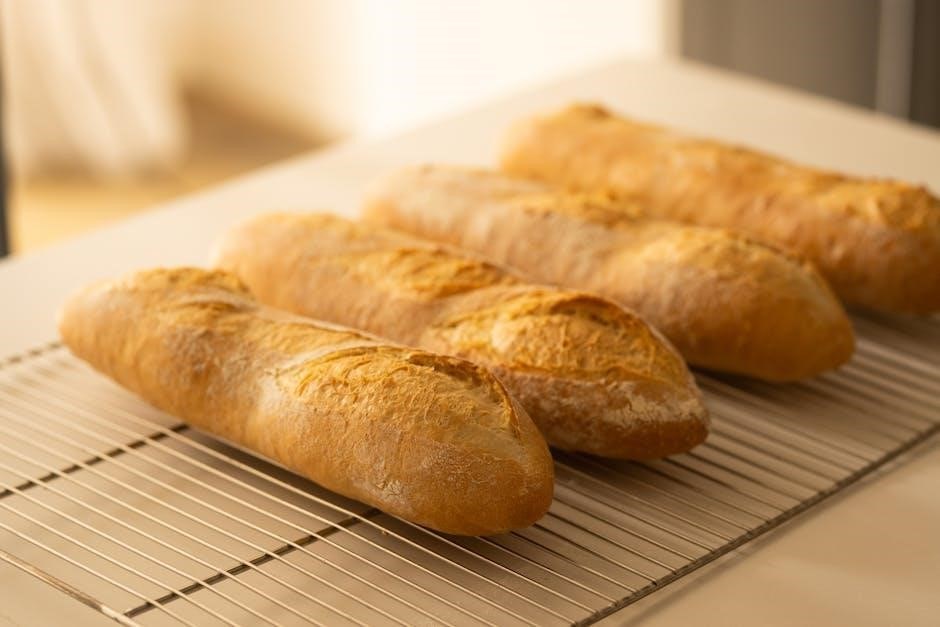
Take and bake baguettes offer a delightful experience, boasting a chewy interior and a crisp, golden crust, mirroring artisan bakery quality with simple ingredients.

Achieving a perfect baguette requires practice, but these convenient options bring that bakery freshness closer to home, even for beginner bakers, with minimal time investment.

What are Take and Bake Baguettes?

Take and bake baguettes represent a convenient compromise between freshly baked bread from a bakery and the effort of making it entirely from scratch. These are pre-shaped, unbaked loaves, typically frozen or refrigerated, ready for the consumer to finish the baking process at home.

Essentially, you’re receiving a dough that has undergone the initial stages of preparation – mixing, kneading, and shaping – but requires a final bake to achieve that signature crispy crust and soft, airy interior. The simplicity lies in the core ingredients: flour, water, salt, and yeast, mirroring traditional baguette recipes.

However, the true artistry, usually residing in the baker’s technique, is partially transferred to you, the home baker, offering a rewarding experience and a taste remarkably close to an artisan loaf.

The Appeal of Convenience

The primary draw of take and bake baguettes is, undeniably, convenience. They eliminate the often-daunting process of working with yeast and achieving the correct dough consistency, saving significant time and effort in the kitchen. For those craving a fresh, bakery-style baguette without the complexities of traditional bread making, these are an ideal solution.

They cater to both beginner bakers and busy individuals who appreciate quality bread but lack the hours required for a full-scale baking project. While perfection may require practice, these loaves offer a consistently good result with minimal skill needed.

The ability to have a warm, crusty baguette on the table with a short baking time is a compelling advantage, bridging the gap between homemade and store-bought options.

Ingredients and What to Expect

Take and bake baguettes typically contain flour, water, salt, and yeast – a testament to simplicity. Expect a chewy interior and a delightfully crisp, golden crust!

Typical Ingredients List

Take and bake baguette ingredient lists are wonderfully concise, reflecting the traditional French baking philosophy. You’ll almost always find unbleached wheat flour as the primary component, providing the structure for the loaf. Water, of course, is essential for hydration and dough development.

Salt plays a crucial role, not only enhancing flavor but also controlling yeast activity. Active dry yeast, or sometimes instant yeast, is the leavening agent, responsible for the baguette’s airy texture. Some variations may include a small amount of malt flour to aid in browning and sweetness.

Occasionally, you might encounter dough conditioners to improve handling, but high-quality versions prioritize the core four ingredients: flour, water, salt, and yeast. These simple components, expertly combined, create a truly exceptional bread.

Quality of Ingredients & Expected Taste

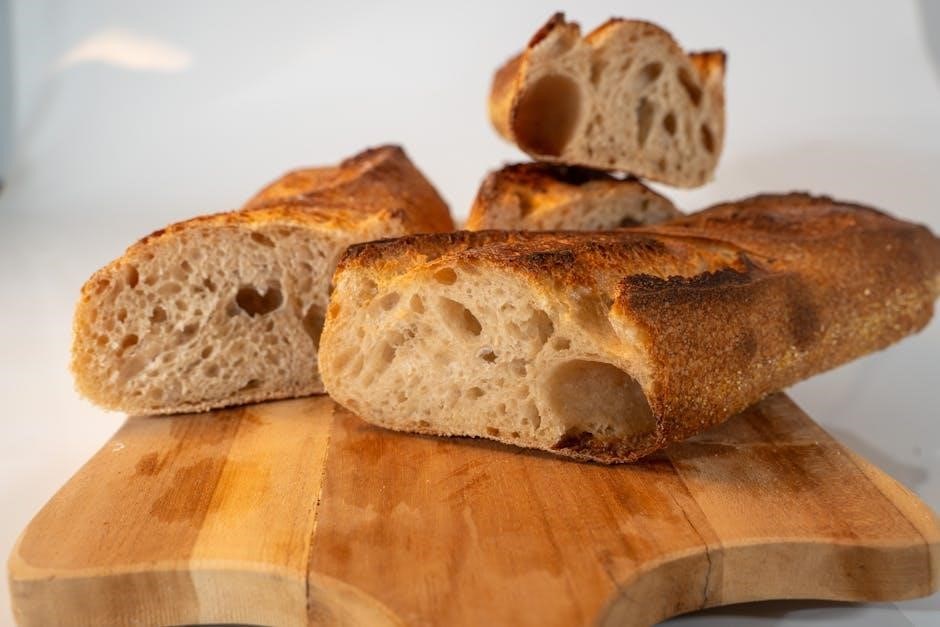
The quality of ingredients significantly impacts the final baguette. Higher-protein flour yields a chewier texture and better structure, while filtered water contributes to a cleaner flavor. Expect a delightful contrast – a deeply golden, crisp crust giving way to a soft, airy interior riddled with irregular holes;

A well-made take and bake baguette should possess a subtle, wheaty aroma with a hint of yeast. The taste should be mildly tangy, with a satisfying saltiness that enhances the flour’s natural sweetness. Avoid products with overly processed ingredients or artificial flavors.

Ultimately, a good baguette delivers a rustic, authentic experience, transporting you to a French bakery with every bite.

Preparing for Baking

Before baking, ensure your oven is ready and you have essential tools like a baking sheet or stone for optimal crust development and even heating.

Oven Temperature and Rack Position

Optimal baking typically requires a higher oven temperature, generally between 400°F (200°C) and 450°F (232°C), to replicate the intense heat of a professional bakery oven. This heat is crucial for achieving that desirable, crispy crust.

Positioning the baguette on the center rack ensures even heat distribution, promoting consistent baking throughout. However, some bakers suggest placing it slightly lower to encourage a more robust bottom crust.

Avoid overcrowding the oven; allow sufficient space around the baguette for proper air circulation. Preheating the oven thoroughly is paramount – a fully heated oven is essential for the initial burst of steam and crust formation. Consistent temperature is key for a successful bake.

Necessary Baking Tools

Successfully baking take and bake baguettes requires minimal specialized equipment, making it accessible for home bakers. A sturdy baking sheet is fundamental, ideally one that doesn’t readily conduct heat to prevent burning the bottom crust.

A spray bottle is incredibly useful for creating steam within the oven, vital for achieving a crispy exterior. Parchment paper can prevent sticking and simplify cleanup.

While not essential, a sharp knife or lame is beneficial for scoring the baguette, controlling expansion during baking. A baking stone can further enhance crust development, but isn’t a necessity. Having these tools ensures a delightful, bakery-style result.

Baking Instructions: Step-by-Step

Baking take and bake baguettes involves preheating, preparing the dough (if needed), and carefully monitoring the time in the oven for a golden result.

Preheating the Oven

Preheating your oven is a crucial first step when baking take and bake baguettes, ensuring even cooking and a beautifully crisp crust. Most packages will specify a precise temperature, typically ranging between 375°F and 400°F (190°C ⎯ 200°C).

Allow ample time for the oven to reach the correct temperature – usually around 20-30 minutes. An oven thermometer is highly recommended to verify accuracy, as variations can significantly impact the final product. Proper preheating guarantees the baguette’s interior cooks thoroughly while the exterior develops that desirable golden-brown color and satisfying crunch. Don’t rush this stage; patience is key to a successful bake!

Preparing the Baguette (if needed)

Some take and bake baguettes require minimal preparation, while others benefit from a few simple steps before baking. Check the packaging instructions carefully! Often, lightly scoring the top of the baguette with a sharp knife allows steam to escape during baking, preventing bursting and promoting a more even crust.

Occasionally, a light spritz of water over the surface before baking can also enhance crust development. However, avoid over-wetting. If the package suggests it, you might need to gently reshape the baguette if it has slightly flattened during transport. Remember, the goal is to optimize the baguette for a perfect rise and texture.

Baking Time and Monitoring

Generally, take and bake baguettes require approximately 18-25 minutes of baking time at a temperature specified on the packaging – typically between 375°F and 400°F. However, ovens vary, so close monitoring is crucial. Begin checking for doneness around the 15-minute mark.

A perfectly baked baguette will exhibit a deep golden-brown crust and sound hollow when tapped on the bottom. Avoid opening the oven frequently, as this releases heat and can affect the rise. If the crust is browning too quickly, reduce the oven temperature slightly. Patience and observation are key to achieving that ideal, crispy exterior and chewy interior!

Achieving a Crispy Crust

Steam is vital for a superb crust! Spritzing the baguette with water during baking, or creating oven steam, helps develop that desirable, golden-brown crispness.

The Role of Steam

Steam plays a crucial, often underestimated, role in achieving that signature crispy crust on baguettes. During the initial stages of baking, introducing steam into the oven environment dramatically impacts the dough’s surface.

Essentially, steam delays the formation of the crust, allowing the baguette to fully expand before it sets. This extended expansion contributes to a lighter, airier interior with those characteristic irregular holes. Without sufficient steam, the crust forms too quickly, restricting the dough’s rise and resulting in a denser loaf.

The steam also gelatinizes the starches on the surface of the dough, which contributes to the beautiful golden-brown color and that satisfyingly crisp texture. Think of it as creating the perfect conditions for a truly exceptional baguette experience!

Spritzing with Water

If your oven doesn’t have a steam injection feature, don’t worry! You can effectively create steam by spritzing water inside the oven cavity during the first few minutes of baking your take and bake baguette.

Carefully open the oven door and use a spray bottle filled with water to lightly mist the oven walls – avoid directly spraying the baguette itself. Repeat this process a couple of times within the first 5-10 minutes.

The rapid evaporation of the water generates the necessary steam. Be cautious, as the oven is hot! This simple technique significantly enhances crust development, mimicking professional bakery results and ensuring a delightfully crispy exterior alongside a soft, chewy interior.

Troubleshooting Common Issues

Baguette baking can present challenges! Pale crusts may need longer baking, while overly hard results suggest reduced baking time or excessive heat.

Uneven baking often indicates inconsistent oven temperature, requiring adjustments for a perfectly golden, evenly textured loaf.

Baguette is Too Pale

A pale baguette often indicates insufficient baking time or a lower-than-recommended oven temperature. Don’t immediately assume a problem; extend the baking duration by 3-5 minutes, carefully monitoring to prevent burning.

Ensure your oven is accurately calibrated, as variations can significantly impact browning. If extending the time doesn’t yield desired color, slightly increase the oven temperature by 25°F (15°C) for the remaining baking period.

Remember, a deep golden-brown crust is the goal, signifying proper Maillard reaction development. Consider a quick spritz of water during the last few minutes to encourage crust formation, but avoid excessive moisture.

Finally, ensure the baguette isn’t shielded by other items in the oven, allowing for even heat circulation and optimal browning.

Baguette is Too Hard

A baguette that’s excessively hard usually results from overbaking, leading to excessive moisture loss. Reduce the baking time by a few minutes in subsequent attempts, closely observing the crust’s color and texture.

Consider lowering the oven temperature slightly – a reduction of 25°F (15°C) can make a noticeable difference. Remember, the ideal baguette boasts a crisp crust and a chewy interior, not a rock-hard exterior.

If the baguette feels hard even immediately after baking, it may indicate a lack of steam during the initial baking phase. Experiment with creating more steam in your oven.

Allowing the baguette to cool completely before slicing can also help retain some moisture, preventing it from becoming overly brittle.

Uneven Baking

Uneven baking in a take and bake baguette often stems from inconsistent oven temperature or improper rack positioning. Ensure your oven is accurately calibrated and preheated thoroughly before baking.

Rotating the baguette halfway through the baking time is crucial for even browning. This ensures all sides receive equal heat exposure, preventing one side from becoming overly dark while the other remains pale.

Avoid overcrowding the oven; allow sufficient space around the baguette for hot air to circulate freely. This promotes consistent heat distribution and prevents localized hot spots.

If using a baking stone, preheat it along with the oven to guarantee even heat transfer from the stone to the baguette’s base.

Serving and Storage

Take and bake baguettes are best enjoyed fresh, paired with cheeses, soups, or spreads. Store leftovers in a paper bag to maintain crustiness.

For longer storage, freezing is ideal; slice before freezing for easy access to a delightful, warm baguette anytime.

Best Ways to Serve

A freshly baked take and bake baguette elevates any meal! Its versatility shines when paired with classic French dips, creamy soups, or a vibrant cheese board; Consider slicing and serving alongside a robust pâté or a selection of artisanal cheeses for an authentic experience.

For a simple yet satisfying snack, drizzle with olive oil, sprinkle with herbs, and enjoy. The baguette’s crisp crust and chewy interior are perfect for sandwiches, bruschetta, or garlic bread. Don’t underestimate the power of a warm baguette with butter – a timeless delight! It’s a fantastic accompaniment to salads, pasta dishes, or even enjoyed on its own.

Experiment with different toppings and dips to discover your favorite combinations.

Proper Storage Techniques

To maintain the delightful crispness of your take and bake baguette, proper storage is key. Once cooled completely, store the baguette in a paper bag – plastic traps moisture, leading to a soggy crust. Avoid airtight containers for the same reason.

For short-term storage (1-2 days), a bread box is ideal. If you’re not planning to consume it within a day, consider slicing the baguette and freezing it. Wrap tightly in plastic wrap, then place in a freezer bag.

To refresh a slightly stale baguette, lightly spritz with water and reheat in a warm oven for a few minutes. This restores some of the original crispness. Remember, baguettes are best enjoyed fresh!

Advanced Techniques (Optional)

Scoring the baguette before baking allows for expansion, while a baking stone replicates a professional oven’s heat, enhancing crust development and texture.

Scoring the Baguette

Scoring a take and bake baguette, though often pre-scored, allows for controlled expansion during baking, preventing unsightly bursts and ensuring a more aesthetically pleasing loaf. Using a lame or a very sharp knife, make diagonal slashes across the surface, typically about ½ inch deep.

These cuts not only direct the oven spring – the rapid expansion of the dough – but also contribute to the final crust texture. The angle and depth of the scores influence how the baguette will open and bloom. Experimentation is key to mastering this technique, but even a simple scoring pattern can elevate the final product.

Remember, a properly scored baguette will exhibit beautiful “ears” – the raised, crispy edges formed along the slashes, a hallmark of a well-baked loaf.

Using a Baking Stone

Employing a baking stone significantly enhances the crust development of take and bake baguettes, mimicking the heat retention of a professional brick oven. Preheat the stone in the oven for at least 30-60 minutes at the recommended baking temperature to ensure it’s thoroughly heated.

Carefully transfer the prepared baguette onto the hot stone; this initial contact creates immediate heat, promoting a crispier crust. The stone’s ability to evenly distribute heat also minimizes the risk of uneven baking. Consider using a pizza peel dusted with cornmeal to facilitate easy transfer.

A baking stone is a worthwhile investment for anyone serious about achieving bakery-quality results at home, elevating the texture and overall experience.

mtb frame size guide

MTB Frame Size Guide: Finding Your Perfect Fit (Updated 03/04/2026)

Navigating the world of mountain biking requires a correctly sized frame for optimal control and comfort. Utilizing bike size calculators and understanding key measurements are crucial steps.

Embarking on the journey of mountain biking necessitates understanding how a frame’s dimensions impact your riding experience. Selecting the appropriate MTB frame size isn’t merely about comfort; it’s fundamentally linked to control, efficiency, and preventing injuries. Historically, frame sizing relied heavily on height, but modern approaches incorporate inseam measurements and a deeper understanding of bike geometry.

Today, 03/04/2026, resources like bicycle frame size calculators offer a starting point, yet they shouldn’t be the sole determinant. Java’s success story mirrors the need for adaptable solutions, just as finding the right fit requires considering individual body proportions. This guide will delve into traditional methods, modern charts, and key measurements, empowering you to confidently choose a frame that complements your riding style and physique.

Why Proper Frame Size Matters

A correctly sized mountain bike frame directly influences your ability to efficiently transfer power, maintain balance, and navigate challenging terrain. An ill-fitting frame can lead to discomfort, fatigue, and even injuries, hindering your enjoyment and performance. Too large a frame compromises control, making it difficult to maneuver, while a frame that’s too small restricts movement and can cause strain.

Just as Java’s evolution prioritized user needs, a well-fitted bike prioritizes the rider’s biomechanics. Proper sizing optimizes your riding position, reducing stress on joints and muscles. Considering standover height and reach ensures a safe and comfortable experience. Ultimately, investing time in finding the right size translates to increased confidence, improved handling, and a more rewarding mountain biking adventure.

Understanding MTB Geometry Basics

Mountain bike geometry significantly impacts handling and ride characteristics. Key measurements like effective top tube length, reach, stack height, and head tube angle define the bike’s fit and feel. Reach, the horizontal distance from the bottom bracket to the head tube, dictates how stretched out your position will be. Stack height, the vertical distance, influences handlebar height and overall comfort.

A slacker head tube angle enhances stability at high speeds and on technical descents, while a steeper angle provides quicker steering. Just as Java’s syntax is structured, understanding these angles is crucial. These elements work together, influencing weight distribution and responsiveness. Considering these geometric principles alongside frame size ensures a harmonious fit tailored to your riding style and terrain preferences.

Traditional Frame Sizing Methods

Historically, rider height and inseam measurements were primary factors in determining appropriate mountain bike frame sizes. These methods offer a starting point for fit.

Using Height as a Starting Point

Rider height provides a convenient initial estimate for mountain bike frame size, though it’s rarely definitive. Charts commonly correlate height ranges with corresponding frame sizes, offering a quick reference point. However, relying solely on height can be misleading, as leg length and torso proportions significantly influence optimal fit. For instance, individuals with longer legs relative to their height may require a larger frame, while those with shorter legs might benefit from a smaller one.

These charts typically categorize riders into small, medium, large, and extra-large size groups based on height brackets. While useful for a preliminary assessment, it’s essential to remember that these are generalizations. Always consider inseam measurement alongside height for a more accurate determination. Height-based sizing serves best as a broad guideline, not a precise prescription.

Inseam Measurement for Accurate Sizing

Determining your inseam is a critical step towards finding the correct mountain bike frame size, offering a more precise measurement than height alone. Stand with your back against a wall, wearing cycling shoes. Place a book between your legs, mimicking a saddle, and measure from the top of the book to the floor. This measurement represents your inseam. Ensure the book is firmly pressed upwards for accuracy.

Accurate inseam measurement accounts for individual leg length variations, a key factor influencing standover height and overall bike fit. It’s vital for calculating the appropriate frame size, especially when using online bike size calculators. Compare your inseam measurement to frame size charts, considering both inch and centimeter conversions for broader compatibility. This method provides a significantly more reliable starting point than relying solely on height.

Converting Inseam to Frame Size (Inch & Centimeter)

Once you’ve accurately measured your inseam, converting it to a corresponding frame size is essential for narrowing down your options. Generally, multiply your inseam in inches by 0.65 to obtain a rough estimate of your ideal frame size in inches. For metric conversions, multiply your inseam in centimeters by 0.65 to get the approximate frame size.

However, remember these are starting points; variations exist between manufacturers and bike types. Different mountain bike disciplines—cross-country, trail, enduro—often require adjustments to these calculations. Always consult specific frame size charts provided by the bike brand. Consider a range of sizes around the initial calculation, as slight variations can significantly impact fit and ride quality. Prioritize test riding to confirm the best fit.

Modern MTB Frame Size Charts

Contemporary sizing utilizes Small, Medium, and Large designations, often correlated with rider height and inseam measurements. Charts offer precise guidance for optimal fit.

Small, Medium, Large – What Do They Mean?

The designations of Small, Medium, and Large in modern mountain bike frame sizing are a simplification of a more complex range of sizes. These categories are intended to provide a general starting point for riders, but they aren’t universally standardized across all manufacturers. A “Medium” from one brand might feel significantly different than a “Medium” from another.

Generally, Small frames suit riders on the shorter end of the spectrum, while Large frames cater to taller individuals. Medium frames fall in between, accommodating a broader range of heights. However, relying solely on these labels can be misleading. Inseam length, torso length, and arm reach play equally important roles in determining the ideal fit. It’s crucial to consult specific frame size charts provided by each manufacturer, as these charts will correlate height and inseam measurements to their particular sizing scheme. Remember, these are guidelines, and individual preferences can influence the best choice.

Frame Size Charts by Rider Height

Utilizing frame size charts based on rider height offers a convenient initial estimate, but remember these are averages. Variations exist between brands, so always prioritize manufacturer-specific charts. Generally, riders between 5’4” and 5’7” often fit Small frames, while those between 5’7” and 5’10” typically find Medium frames suitable. Larger riders, ranging from 5’10” to 6’0”, often require Large frames, and those exceeding 6’0” may need Extra Large sizes.

However, height alone isn’t definitive. A rider with longer legs relative to their torso might need a larger frame even at a shorter height. Conversely, a shorter-legged rider might benefit from a smaller frame. These charts serve as a starting point; combining height with inseam measurement provides a more accurate assessment. Always cross-reference with the bike manufacturer’s recommendations for the most precise fit.

Frame Size Charts by Inseam

Inseam measurement is a more reliable indicator of proper frame size than height alone. Measure your inseam while wearing cycling shoes, standing with your back against a wall. A general guideline suggests that riders with an inseam between 28” and 30” may fit a Small frame, while those with 30” to 32” inseams often suit a Medium. Riders with inseams ranging from 32” to 34” typically require a Large frame, and those exceeding 34” may need an Extra Large size.

However, remember that these are approximate values. Different bike geometries influence the ideal frame size. Always consult the specific manufacturer’s size chart, as they account for their unique designs. Combining inseam with reach considerations further refines the fit. Prioritize a comfortable standover height and sufficient leg extension for efficient pedaling.

Different Types of Mountain Bikes & Sizing

Mountain bike sizing varies based on discipline; hardtails, full-suspension, enduro, trail, and cross-country bikes each demand unique frame geometry considerations for optimal performance.

Hardtail MTB Frame Sizing

Hardtail mountain bikes, with their simpler design, generally follow traditional sizing guidelines more closely than full-suspension models. Utilizing your height and inseam measurements remains a solid starting point, but modern hardtails are also incorporating reach measurements for a more precise fit.

Consider a slightly smaller frame if you prioritize nimble handling and maneuverability, especially for technical trail riding. Conversely, a slightly larger frame can offer more stability at higher speeds and on longer climbs.

Pay close attention to the effective top tube length, ensuring it provides a comfortable reach without feeling overly stretched or cramped. Online bike size calculators can offer a good initial estimate, but a test ride is invaluable to confirm the fit. Remember, adjustments to stem length and saddle position can further fine-tune the bike to your individual body proportions and riding style.

Full Suspension MTB Frame Sizing

Full suspension mountain bikes introduce complexities to sizing due to the rear suspension linkage affecting the overall fit and feel. Traditional height-based sizing is less reliable; prioritizing reach and effective top tube length is paramount for a comfortable and controlled ride.

Because suspension travel and linkage designs vary significantly between brands and models, a test ride across multiple sizes is highly recommended. A longer reach generally provides more stability at speed and on descents, while a shorter reach enhances maneuverability.

Stack height also becomes more critical, influencing the overall riding posture. Utilize online calculators as a starting point, but remember they are estimates. Fine-tuning with stem length, handlebar adjustments, and saddle position is essential to achieve a perfect fit tailored to your body and riding preferences.

Downcountry MTB Frame Sizing

Downcountry bikes blend the efficiency of cross-country with the capability of trail bikes, demanding a nuanced approach to sizing. These bikes typically feature moderate suspension travel and geometry, aiming for a balance between climbing prowess and descending confidence.

Sizing leans towards the longer end of the spectrum compared to traditional XC bikes, emphasizing stability on technical terrain. Reach and effective top tube length are key metrics; prioritize these over relying solely on height charts. A slightly longer reach can improve descending control, while maintaining sufficient comfort for extended climbs.

Test riding is crucial, as downcountry geometry varies. Pay attention to how the bike feels when transitioning between climbing and descending. Adjustments to stem length and saddle position can fine-tune the fit for optimal performance and comfort.

Enduro/Trail MTB Frame Sizing

Enduro and trail mountain bikes prioritize descending performance, demanding a frame size that inspires confidence on challenging terrain. These bikes typically feature longer travel suspension and slacker head tube angles, requiring a fit that balances stability with maneuverability;

Reach is the most critical measurement for enduro/trail bikes. A longer reach provides increased stability at speed and allows for a more centered riding position. Don’t be afraid to size down slightly if you’re between sizes, prioritizing a comfortable and controllable feel. Stack height also plays a role, influencing handling and comfort.

Test rides are essential to assess how the bike handles technical descents and climbs. Adjustments to stem length and handlebar width can further refine the fit, optimizing control and confidence on the trails.

Cross-Country (XC) MTB Frame Sizing

Cross-country (XC) mountain bikes emphasize efficiency and climbing prowess, necessitating a frame size that facilitates an aerodynamic and powerful riding position. These bikes generally have shorter travel suspension and steeper head tube angles, demanding a fit optimized for pedaling efficiency and responsiveness.

Effective top tube length and reach are key considerations for XC sizing. A slightly longer reach can improve climbing efficiency, while maintaining sufficient control. Prioritize a frame size that allows for a comfortable yet aggressive riding posture, enabling efficient power transfer.

Test rides are crucial to evaluate the bike’s climbing ability and handling on varied terrain. Fine-tuning saddle height and stem length will optimize your position for maximum performance and comfort during long rides.

Key Frame Measurements to Consider

Understanding effective top tube length, reach, stack height, and head tube angle is vital for a precise fit. These dimensions significantly impact handling and comfort.

Effective Top Tube Length

The effective top tube length is a crucial measurement, representing the horizontal distance from the head tube to the seat tube. Unlike the traditional top tube, it accounts for sloping top tubes common in modern mountain bike designs. This measurement directly influences your reach to the handlebars and overall riding posture. A longer effective top tube generally provides a more stretched-out, aggressive position, favored by riders seeking stability at higher speeds and technical terrain. Conversely, a shorter length promotes a more upright, comfortable position, ideal for less aggressive riding styles or those prioritizing maneuverability.

Accurately determining your ideal effective top tube length requires considering your arm length, torso length, and preferred riding style. Comparing this measurement across different frame sizes is essential when selecting a bike, ensuring a comfortable and efficient fit. It’s a key component in achieving optimal control and minimizing fatigue on the trails.

Reach Measurement Explained

Reach, a modern and increasingly important frame measurement, defines the horizontal distance from the bottom bracket to the head tube. It’s a more reliable indicator of front-center distance than the effective top tube, especially with varying head tube angles. A longer reach generally results in a more stable and confident feel, particularly at higher speeds and on challenging descents, as it positions the rider further forward over the front wheel.

Conversely, a shorter reach creates a more compact and maneuverable feel, suitable for tighter trails and riders who prefer a more upright position. When comparing bikes, focus on reach alongside stack height to understand the overall cockpit dimensions. Reach is a primary factor in determining how comfortable and controlled you’ll feel on the bike, impacting handling and weight distribution.

Stack Height and its Importance

Stack height is the vertical distance from the center of the bottom bracket to the top of the head tube. Combined with reach, it dictates handlebar height and overall riding position. A higher stack provides a more upright and comfortable posture, reducing strain on the back and shoulders, ideal for endurance riding or those prioritizing comfort.

Lower stack heights promote a more aggressive, aerodynamic position, enhancing control and responsiveness, favored by racers and riders tackling technical terrain; Understanding stack and reach together is crucial; a longer reach paired with a higher stack offers a comfortable, stable ride, while a shorter reach and lower stack create an aggressive, nimble feel. Adjustments via stem and headset spacers fine-tune fit.

Head Tube Angle and its Impact on Fit

The head tube angle (HTA) significantly influences steering responsiveness and stability. Measured in degrees, a slacker (smaller number) HTA – typically found on trail and enduro bikes – provides greater stability at high speeds and downhill, absorbing impacts more effectively. However, it can feel less nimble at slower speeds and require more rider input for steering.



A steeper (larger number) HTA, common on cross-country bikes, offers quicker, more precise steering, ideal for tight corners and climbing. It’s less forgiving on rough terrain. The HTA interacts with fork offset to determine trail, a key factor in steering feel. Choosing the right HTA depends on your riding style and terrain; consider how it complements reach and stack for a balanced fit.

Using Online Bike Size Calculators

Numerous websites offer bike size calculators, utilizing height and inseam measurements to suggest a starting frame size. They provide a convenient initial estimate for selection.

Popular Bike Size Calculator Websites

Several online resources assist riders in determining their ideal mountain bike frame size. Competitive Cyclist’s bike fit calculator is a widely respected tool, factoring in multiple body measurements beyond just height and inseam for a more personalized recommendation. BikeInsights offers a comprehensive database and sizing guidance for various brands and models.

Additionally, many bicycle manufacturers, like Trek and Specialized, provide their own size charts and calculators specifically tailored to their bike geometries. These are valuable resources when considering a particular brand. The Bike Size Calculator website is a quick and easy tool, allowing users to input their measurements and receive a suggested frame size based on the bike type. Remember to always cross-reference results and consider the limitations of these tools.

Limitations of Online Calculators

While convenient, online bike size calculators aren’t foolproof and should be viewed as starting points, not definitive answers. These tools often rely on generalized geometry and may not account for individual body proportions or riding style preferences; Factors like arm length, torso length, and flexibility significantly influence fit, and aren’t always incorporated.

Furthermore, different brands employ varying geometry philosophies; a “medium” in one brand might feel drastically different in another. Calculators can struggle with nuanced sizing, especially between sizes. They also don’t account for the specific discipline of mountain biking – trail, enduro, or cross-country – each demanding slightly different fit characteristics. Always prioritize a test ride whenever possible to validate calculator suggestions and ensure a comfortable, confident fit.

Test Riding and Fine-Tuning

Experiencing different frame sizes firsthand is invaluable. Adjusting saddle height, stem length, and handlebar position allows for personalized comfort and optimal bike handling.

Importance of Test Riding Different Sizes

Before committing to a mountain bike, test riding multiple sizes is absolutely essential. Frame size charts and calculators provide a starting point, but individual body proportions and riding styles significantly influence the ideal fit. A bike that feels right is paramount.

Test rides allow you to assess reach, standover height, and overall handling. Pay attention to how comfortably you can maneuver the bike on various terrains. Do you feel stretched or cramped? Is the bike responsive, or does it feel sluggish? Even subtle differences in frame size can dramatically impact your riding experience.

Don’t hesitate to test ride bikes with slightly different geometries, even within the same size range. Different manufacturers interpret sizing differently. A professional bike fit can further refine your selection, ensuring optimal performance and preventing potential injuries.

Adjusting Saddle Height and Position

Fine-tuning your saddle height and position is critical after selecting a frame size. Proper adjustment maximizes pedaling efficiency, comfort, and prevents knee strain. Begin with the heel-on-pedal method: position the saddle so your heel rests comfortably on the pedal at the bottom of the stroke with your leg fully extended.

From there, switch to a normal pedaling position with the ball of your foot on the pedal. A slight bend in your knee is ideal. Fore/aft saddle position impacts weight distribution and pedaling mechanics. Experiment to find a balance where your knee tracks over the pedal spindle.

Small adjustments can make a big difference. Record your changes to revert if needed. Consider professional bike fit guidance for optimal setup tailored to your body and riding style.

Stem Length and Handlebar Adjustments

Stem length and handlebar adjustments refine your bike fit after saddle positioning. The stem connects your handlebars to the steerer tube, influencing reach and handling. A shorter stem provides more responsive steering, while a longer stem offers greater stability. Begin by assessing your reach – are you stretching or cramped?

Handlebar width and sweep also impact comfort and control. Wider handlebars offer more leverage, beneficial for technical trails, while narrower bars improve aerodynamics. Adjust handlebar roll (angle) to optimize wrist position and alleviate pressure.

Small changes to stem length (within 20-30mm) or handlebar adjustments can significantly alter the feel of your bike. Prioritize a comfortable and controlled riding position. Professional bike fit services can precisely dial in these settings.

Advanced Considerations

Individual body proportions and standover height play vital roles in achieving a personalized fit. These factors refine sizing beyond basic height and inseam charts.

Proportionality and Body Type

Beyond simple height, your limb length significantly impacts optimal bike fit. Individuals with longer legs relative to their torso might benefit from a slightly larger frame, even if their height suggests otherwise. Conversely, those with a longer torso and shorter legs may find a smaller frame more comfortable and manageable.

Consider your arm length as well; it influences reach and handlebar positioning. A longer reach might necessitate a longer stem, while shorter arms may require a shorter one. Understanding your unique proportions allows for fine-tuning beyond standard size charts. Don’t solely rely on generalized recommendations; prioritize how you feel on the bike.

Ultimately, a proper fit enhances control, efficiency, and reduces the risk of injury. Prioritize a bike that complements your individual build, not just a number on a chart.

Understanding Standover Height

Standover height is the distance from the top tube to the ground when you’re straddling the bike. Traditionally, a crucial safety margin was recommended – allowing 1-2 inches of clearance for hardtails, and more for full-suspension bikes due to suspension compression. However, modern geometry often prioritizes a lower standover, even with minimal clearance.

Lower standover heights enhance maneuverability and confidence, particularly on technical terrain. However, insufficient clearance can lead to uncomfortable or even dangerous situations during dismounts or unexpected impacts.

Consider your riding style and terrain. Aggressive riders tackling challenging trails might prioritize maneuverability, accepting a slightly lower standover. More casual riders may prefer a greater margin for safety and comfort. Always prioritize a comfortable and controlled feel when assessing standover height.