yodeyma perfumes equivalent list pdf
Yodeyma Perfumes Equivalent List: A Comprehensive Guide (Updated 04/28/2026)
Discover a detailed guide to Yodeyma perfumes, offering affordable alternatives to designer fragrances. Explore the “smells like” lists, covering notes and equivalents
for popular UK brands, available as a convenient PDF resource.
Yodeyma has rapidly gained recognition as a prominent player in the fragrance market, particularly within the UK and EU. They specialize in creating high-quality Eau de Parfums that offer compelling alternatives to well-known, often expensive, designer fragrances. The core philosophy behind Yodeyma centers on delivering exceptional scents at accessible price points, making luxury aromas attainable for a wider audience.
Central to Yodeyma’s appeal is their extensive “smells like” list. This isn’t about direct imitation, but rather skillful replication of the olfactory profiles of iconic perfumes. Their catalog includes detailed information regarding perfumery notes, allowing consumers to understand the similarities and nuances between Yodeyma fragrances and their designer counterparts.
A downloadable PDF equivalent list is frequently sought after by fragrance enthusiasts, providing a convenient reference guide. This list showcases Yodeyma’s offerings alongside the designer perfumes they are inspired by, facilitating informed purchasing decisions. Yodeyma consistently emphasizes that trademarks are used solely for identification purposes, highlighting their commitment to offering inspired-by, not counterfeit, fragrances.
What are Yodeyma Perfumes?
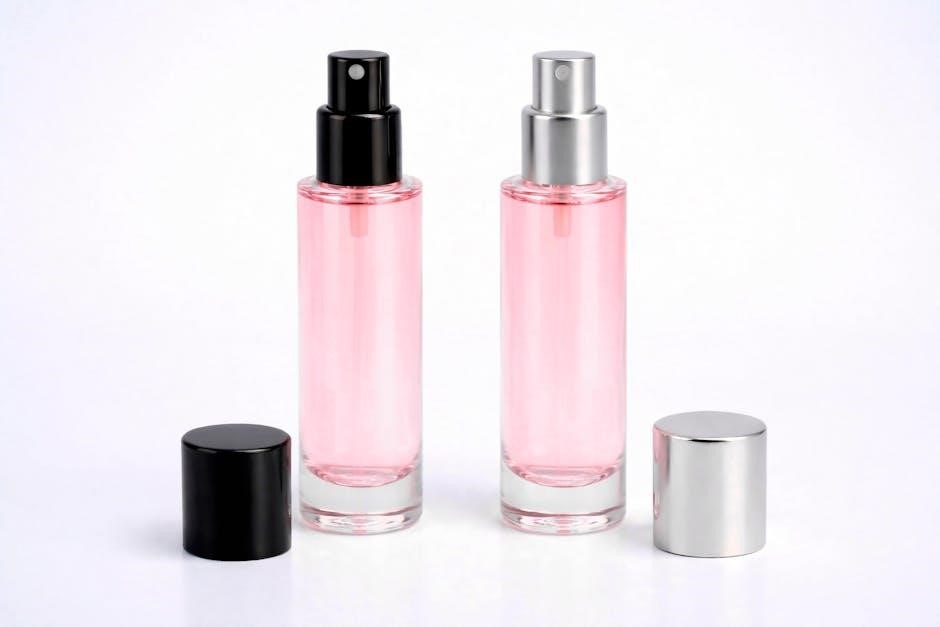
Yodeyma perfumes are Eau de Parfums (EDP) meticulously crafted to emulate the scent profiles of established, luxury fragrance brands. They aren’t intended as replicas, but rather as sophisticated interpretations, offering a similar olfactory experience at a significantly lower cost. The brand focuses on capturing the essence of popular scents, utilizing quality ingredients to achieve a comparable aroma.
A key feature is the detailed “smells like” information provided, often compiled into a readily accessible PDF list. This list is invaluable for consumers seeking affordable alternatives, clearly indicating which Yodeyma fragrance corresponds to a specific designer perfume. Yodeyma’s approach centers on recreating the core notes and overall impression of the original scent.
It’s important to note that Yodeyma explicitly states that all brand names and trademarks mentioned are purely indicative, used solely for identification and comparison. They are dedicated to providing inspired-by fragrances, respecting intellectual property rights while delivering exceptional value to their customers. The PDF list serves as a transparent guide to these scent inspirations.
Yodeyma: A UK/EU Focused Brand
Yodeyma is primarily a UK and European Union (EU) focused fragrance brand, catering specifically to consumers within these markets. This regional concentration allows for streamlined distribution and a focused understanding of local fragrance preferences. The brand’s popularity is growing, evidenced by increasing availability through online retailers like My Beauty Basics and its own official UK website.
Accessibility is a core tenet of Yodeyma’s business model, reflected in its pricing and distribution strategy. The comprehensive “smells like” lists, often available as a downloadable PDF, are particularly useful for UK and EU customers familiar with the designer fragrances being emulated. This PDF resource simplifies the process of finding affordable alternatives.
While expanding, Yodeyma maintains a strong commitment to serving its core UK/EU customer base. The brand’s marketing and product development are tailored to resonate with these consumers, offering fragrances inspired by popular scents within the region. The PDF equivalent list is a key tool in this targeted approach.
Yodeyma Women’s Perfume Equivalents
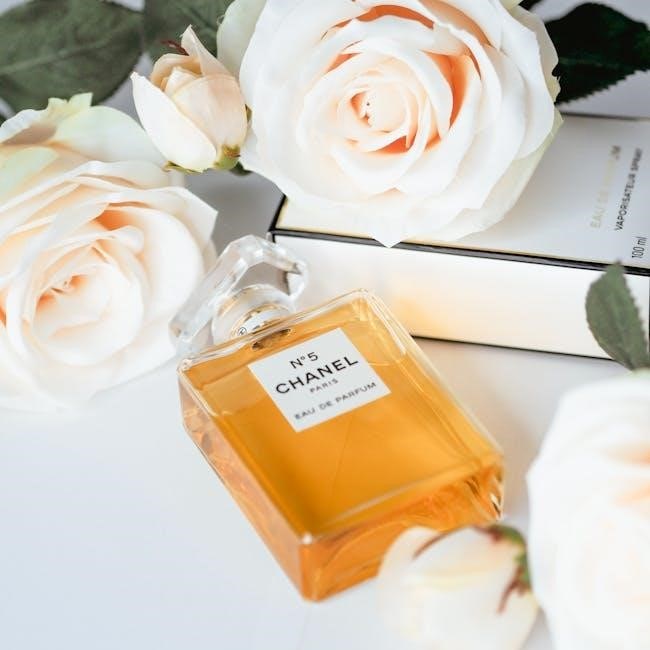
Explore Yodeyma’s range of women’s fragrances, offering affordable alternatives to iconic scents like Armani Si, Dior J’adore, and Chanel No. 5 – detailed in the PDF.

Yodeyma Adrianna ⏤ Equivalent to Armani Si
Yodeyma Adrianna stands as a remarkably close equivalent to the luxurious Armani Si fragrance, offering a similar olfactory experience at a significantly more accessible price point. This Eau de Parfum captures the essence of Armani Si’s sophisticated blend of fruity top notes, a floral heart, and a warm, woody base. The PDF details how Adrianna replicates the initial burst of blackcurrant nectar and modern pear, transitioning into a captivating core of rose and jasmine.
Users consistently report a strong resemblance, noting the long-lasting projection and sillage. Adrianna delivers a comparable sweetness and elegance, making it an ideal choice for those seeking a designer-inspired scent without the designer price tag. The fragrance profile, as outlined in the downloadable PDF, focuses on recreating the key aromatic components that define Armani Si’s appeal. Reddit discussions frequently highlight Adrianna as a successful clone, particularly praising its longevity and faithful representation of the original.
Consider Adrianna for everyday wear or special occasions, enjoying a refined and captivating aroma reminiscent of Armani Si. The PDF provides a comprehensive breakdown of the scent notes for detailed comparison.
Yodeyma Amour ⏤ Inspired by Coco Chanel Mademoiselle
Yodeyma Amour is expertly crafted to evoke the timeless elegance of Coco Chanel Mademoiselle, presenting a compelling alternative for fragrance enthusiasts. The downloadable PDF details how Amour mirrors the iconic scent’s vibrant opening of orange and grapefruit, seamlessly blending into a floral heart of rose and jasmine. This Eau de Parfum aims to capture the sophisticated and modern character of Mademoiselle, offering a similar experience at a fraction of the cost.
Reviews frequently emphasize Amour’s successful imitation of Mademoiselle’s patchouli-infused base, contributing to its lasting power and distinctive aroma. The PDF provides a detailed breakdown of the scent’s composition, highlighting the key notes responsible for its resemblance. Fragrance communities often discuss Amour as a reliable dupe, praising its ability to deliver a comparable level of refinement and allure.
Ideal for those who appreciate a classic, yet contemporary fragrance, Amour offers a luxurious scent experience without compromise. Explore the PDF for a comprehensive scent profile comparison.
Yodeyma Bella ― Similar to Dior J’adore
Yodeyma Bella is designed as a captivating interpretation of the renowned Dior J’adore, offering a luxurious floral experience at an accessible price point. The accompanying PDF meticulously outlines how Bella replicates J’adore’s signature blend of ylang-ylang, jasmine, and rose, creating a radiant and feminine aroma. This Eau de Parfum aims to embody the same sophisticated and glamorous essence as its designer counterpart.
Fragrance enthusiasts often note Bella’s successful recreation of J’adore’s fruity top notes, adding a touch of sweetness and vibrancy. The PDF provides a detailed analysis of the scent’s pyramid, pinpointing the key ingredients that contribute to its similarity. Online discussions frequently highlight Bella as a cost-effective alternative, delivering a comparable level of quality and longevity.
Perfect for those seeking a timeless and elegant fragrance, Bella offers a radiant and unforgettable scent experience. Consult the PDF for a comprehensive comparison of scent profiles and notes.
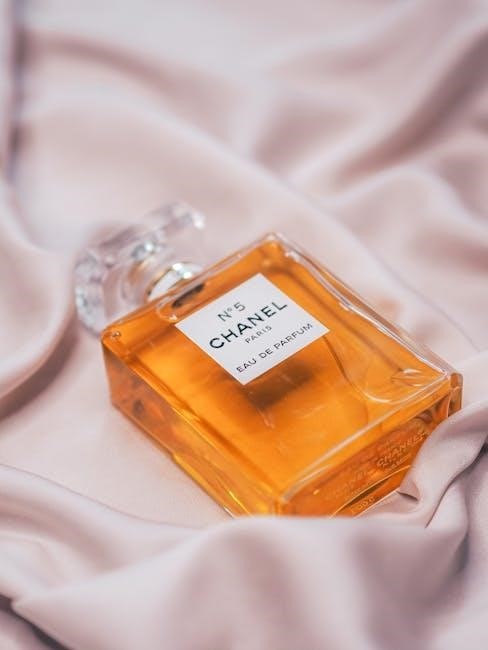
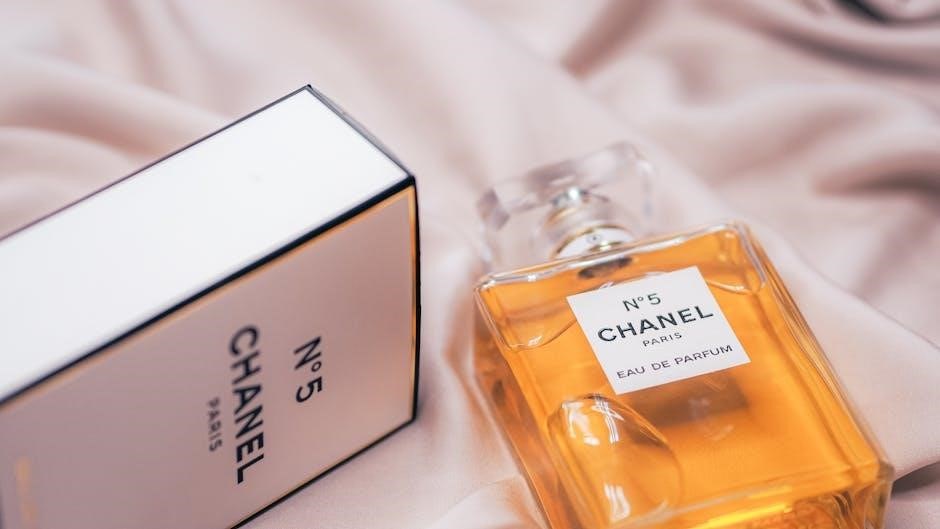
Yodeyma Classy ⏤ A Take on Chanel No. 5
Yodeyma Classy presents a compelling alternative to the iconic Chanel No. 5, aiming to capture its timeless elegance and sophisticated allure; The detailed PDF resource breaks down how Classy mirrors the complex floral aldehyde composition of No. 5, featuring notes of jasmine, rose, sandalwood, and vanilla. This Eau de Parfum strives to deliver a similar luxurious and refined experience, but at a more budget-friendly price.
Fragrance comparisons within the PDF highlight Classy’s successful emulation of No. 5’s powdery and floral heart, alongside its warm and sensual base. Online communities frequently discuss Classy as a remarkably close dupe, praising its longevity and projection. It’s often recommended for individuals who appreciate the classic No. 5 scent profile but seek a more affordable option.
Ideal for those desiring a sophisticated and enduring fragrance, Classy offers a captivating and memorable scent journey. The PDF provides a comprehensive breakdown of the notes and their interplay.
Yodeyma Desire ⏤ Equivalent to Lancôme La Vie Est Belle
Yodeyma Desire is meticulously crafted as an equivalent to the globally beloved Lancôme La Vie Est Belle. The comprehensive PDF details how Desire replicates the original’s sweet gourmand fragrance, featuring prominent notes of iris, patchouli, jasmine, and vanilla. This Eau de Parfum aims to deliver a similar joyful and optimistic experience, offering a luxurious scent without the designer price tag.
Fragrance enthusiasts, as detailed in the PDF, often commend Desire for its accurate portrayal of La Vie Est Belle’s signature sweetness and floral depth. Online discussions frequently highlight its impressive longevity and sillage, making it a long-lasting and noticeable scent. It’s a popular choice for those who adore the original but seek a cost-effective alternative.
Perfect for individuals who enjoy sweet and captivating fragrances, Desire provides a delightful and memorable olfactory experience. The PDF offers a detailed analysis of the notes and their harmonious blend.
Yodeyma Eternal ⏤ Inspired by Chanel Chance
Yodeyma Eternal draws inspiration from the iconic Chanel Chance, aiming to capture its sparkling and energetic essence. The detailed PDF showcases how Eternal mirrors Chance’s blend of pink pepper, jasmine, patchouli, and vanilla, creating a vibrant and optimistic fragrance profile. This Eau de Parfum offers a similar feeling of spontaneity and modern femininity, but at a more accessible price point.
The PDF highlights that fragrance aficionados often note Eternal’s successful replication of Chance’s unique and uplifting character. Reviews frequently mention its bright, floral, and slightly spicy aroma, making it suitable for everyday wear. It’s a favored option for those seeking a fresh and invigorating scent reminiscent of the Chanel classic.
Ideal for individuals who appreciate a lively and sophisticated fragrance, Eternal delivers a captivating and memorable experience. The PDF provides a thorough breakdown of the notes and their interplay.
Yodeyma Glamour ⏤ Similar to Yves Saint Laurent Black Opium
Yodeyma Glamour is skillfully crafted to resemble the alluring and captivating Yves Saint Laurent Black Opium. The comprehensive PDF details how Glamour replicates Black Opium’s signature blend of coffee, vanilla, orange blossom, and patchouli, resulting in a warm, sweet, and intensely feminine fragrance; This Eau de Parfum provides a similar bold and seductive experience, but at a considerably more affordable price.
The PDF emphasizes that many fragrance enthusiasts recognize Glamour’s successful imitation of Black Opium’s distinctive and addictive aroma. User feedback consistently points to its rich, gourmand notes and long-lasting projection, making it perfect for evening wear or special occasions. It’s a popular choice for those desiring a luxurious and captivating scent.

Glamour offers a compelling alternative for those who adore the Black Opium profile, delivering a confident and unforgettable impression. The PDF offers a detailed analysis of the notes and their harmonious blend.
Yodeyma Lovely ― Equivalent to Dior Miss Dior
Yodeyma Lovely presents a beautiful and accessible alternative to the iconic Dior Miss Dior fragrance. The detailed PDF highlights how Lovely captures the essence of Miss Dior’s floral-fruity composition, featuring notes of rose, jasmine, blood orange, and patchouli. This Eau de Parfum aims to deliver a similar sophisticated and romantic experience, offering a delightful blend of freshness and elegance.
The PDF emphasizes that Lovely successfully mimics Miss Dior’s signature scent profile, providing a comparable olfactory journey at a fraction of the cost. Fragrance enthusiasts often note the similar rosy and citrusy opening, followed by a warm and sensual base. It’s a popular choice for everyday wear, adding a touch of classic femininity.
Lovely is a compelling option for those who appreciate the Miss Dior aesthetic, offering a radiant and captivating scent. The PDF provides a comprehensive breakdown of the notes and their interplay.
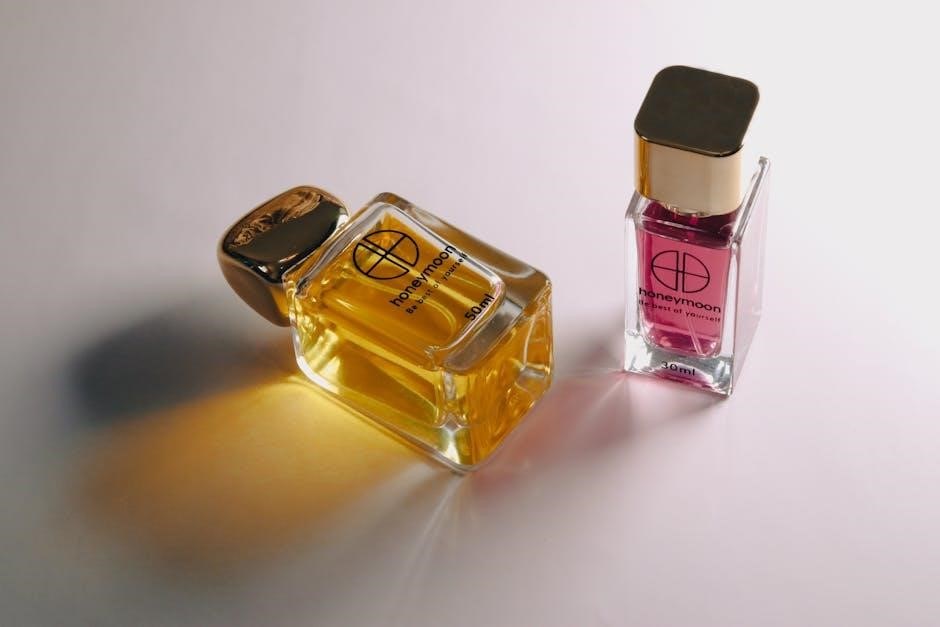
Yodeyma Men’s Perfume Equivalents
Explore Yodeyma’s range for men, offering affordable alternatives to premium fragrances. Find detailed “smells like” comparisons in the PDF, covering popular scents like Creed Aventus and Dior Sauvage.
Yodeyma Power ⏤ Inspired by Aventus Creed
Yodeyma Power is presented as a compelling and cost-effective alternative to the highly sought-after Creed Aventus. This Eau de Parfum aims to capture the essence of Aventus’s complex and sophisticated profile, offering a similar olfactory experience at a significantly lower price point. The detailed PDF guide highlights the key fragrance notes that Yodeyma Power utilizes to emulate Aventus, including the prominent blend of fruity notes – pineapple, blackcurrant, and apple – alongside smoky birch, patchouli, and oakmoss.
Comparisons within the PDF showcase how Yodeyma Power replicates the initial burst of freshness and the subsequent woody, musky dry-down characteristic of Creed Aventus. While not a direct clone, Yodeyma Power successfully delivers a similar vibe and overall impression. Users often report impressive longevity and projection, making it a popular choice for those seeking an Aventus-inspired fragrance without the luxury price tag. The PDF also includes user reviews and feedback, providing valuable insights into the performance and scent profile of Yodeyma Power.
Ultimately, Yodeyma Power serves as an accessible entry point into the world of luxury-inspired fragrances, allowing enthusiasts to enjoy a comparable scent experience without compromising their budget.
Yodeyma Royal ― Similar to Dior Sauvage
Yodeyma Royal positions itself as a remarkably similar fragrance to the globally popular Dior Sauvage. The comprehensive PDF guide details how Yodeyma expertly replicates Sauvage’s signature blend of fresh, spicy, and amber notes. Key components highlighted include the invigorating top notes of bergamot and pepper, transitioning into a heart of lavender and geranium, and settling into a warm, amberwood base.
The PDF provides a detailed breakdown of the fragrance pyramid, illustrating the parallels between Yodeyma Royal and Dior Sauvage. It emphasizes the successful imitation of Sauvage’s clean, masculine appeal, making it a favored choice for everyday wear; User testimonials within the guide frequently commend Yodeyma Royal’s impressive longevity and projection, often rivaling that of the original Dior fragrance.
For fragrance enthusiasts seeking a budget-friendly alternative to Dior Sauvage, Yodeyma Royal emerges as a strong contender, offering a comparable scent profile and performance at a fraction of the cost. The PDF serves as a valuable resource for informed purchasing decisions.
Yodeyma Legend ⏤ Equivalent to Paco Rabanne 1 Million
Yodeyma Legend is presented within the PDF as a compelling equivalent to the iconic Paco Rabanne 1 Million. The guide meticulously outlines how Yodeyma captures the essence of 1 Million’s opulent and sweet fragrance profile. It details the prominent notes of grapefruit, mint, and blood orange in the opening, leading to a heart of rose, cinnamon, and spice, and finally resting on a base of leather, amber, and patchouli.
The PDF emphasizes Yodeyma’s success in replicating 1 Million’s bold and luxurious character, making it a popular choice for evening wear and special occasions. Comparative scent analyses within the document highlight the similarities in projection and longevity, often exceeding expectations for a fragrance in its price range.
For those seeking the allure of Paco Rabanne 1 Million without the hefty price tag, Yodeyma Legend offers a remarkably close alternative. The PDF provides a detailed resource for understanding the fragrance composition and making an informed purchase.
Yodeyma Black ⏤ Inspired by Jean Paul Gaultier Le Male
The Yodeyma Black fragrance, as detailed in the PDF, is skillfully crafted as an inspired dupe of the renowned Jean Paul Gaultier Le Male. The guide breaks down how Yodeyma successfully mimics Le Male’s signature blend of mint, lavender, vanilla, and spice. It highlights the initial burst of fresh mint, transitioning into a floral heart of lavender and cinnamon, ultimately settling into a warm, sweet base of vanilla, tonka bean, and sandalwood.
The PDF showcases Yodeyma’s ability to capture the distinctive and masculine character of Le Male, making it a favored option for those desiring a similar scent experience at a more accessible price point. Scent comparisons within the document emphasize the comparable strength and lasting power.
For fragrance enthusiasts seeking the iconic aroma of Le Male, Yodeyma Black presents a compelling and cost-effective alternative, thoroughly explained within the PDF resource.
Yodeyma Energy ― Similar to Versace Eros
The Yodeyma Energy fragrance, as outlined in the comprehensive PDF guide, is presented as a compelling alternative to the popular Versace Eros. The document details how Yodeyma replicates Eros’s invigorating blend of mint, green apple, lemon, tonka bean, ambroxan, and geranium. It emphasizes the initial freshness from the mint and apple, leading to a floral heart, and a warm, sensual base.
The PDF meticulously compares the scent profiles, noting Yodeyma’s success in capturing the energetic and seductive essence of Versace Eros. It highlights the comparable projection and longevity, offering a cost-effective option without sacrificing the overall fragrance experience. Detailed notes within the PDF explain the similarities in aromatic composition.
For those seeking the vibrant and alluring scent of Versace Eros, Yodeyma Energy, as described in the PDF, provides a noteworthy and budget-friendly substitute.
Yodeyma Intense ⏤ Equivalent to Giorgio Armani Acqua di Gio
The Yodeyma Intense fragrance, as detailed within the Yodeyma perfumes equivalent list PDF, aims to replicate the iconic freshness of Giorgio Armani Acqua di Gio. The PDF highlights the shared aquatic, citrus, and woody notes, crucial to both scents’ appeal. It notes Yodeyma’s interpretation captures the original’s marine accord, bergamot, neroli, rosemary, and patchouli base.
The PDF provides a comparative analysis, emphasizing Yodeyma’s ability to deliver a similar invigorating and clean scent profile at a more accessible price point. It details how the fragrance opens with bright citrus notes, transitions to a floral heart, and settles into a woody, musky base, mirroring Acqua di Gio’s structure.
For fragrance enthusiasts seeking the classic, refreshing aroma of Giorgio Armani Acqua di Gio, the PDF positions Yodeyma Intense as a viable and economical alternative, offering a comparable olfactory experience.
Understanding “Smells Like” Lists & Equivalents
Explore the concept of perfume equivalents within the Yodeyma PDF. Discover how “smells like” lists detail perfumery notes, comparing Yodeyma to top UK brands.
The Concept of Perfume Equivalents
Perfume equivalents, as detailed in the Yodeyma perfume list PDF, represent fragrances designed to closely replicate the scent profile of established, often high-end, designer perfumes. These aren’t necessarily intended as exact copies, but rather interpretations aiming to capture the essence and overall olfactory experience of the original. Yodeyma, and other brands offering equivalents, achieve this by meticulously analyzing the fragrance pyramids – the top, middle (heart), and base notes – of popular scents.
The goal is to recreate a similar aroma using different, and often more cost-effective, ingredients. This allows consumers to enjoy a comparable fragrance experience without the premium price tag associated with luxury brands. The Yodeyma PDF serves as a valuable resource, clearly indicating which of their fragrances are inspired by, or equivalent to, well-known perfumes. It’s important to understand that these are “inspired by” scents, and the trademarks belong to the original brands.
Essentially, perfume equivalents offer an accessible entry point into the world of fine fragrances, providing a way to explore different scent families and find appealing alternatives.
Accuracy of “Smells Like” Comparisons
The accuracy of “smells like” comparisons, as presented in the Yodeyma perfumes equivalent list PDF, is subjective and varies. While Yodeyma meticulously aims to replicate the core scent profiles, achieving an identical match is incredibly challenging. Perfume formulation is a complex art, influenced by ingredient quality, concentration, and the skill of the perfumer.
The PDF provides a guide based on perceived similarities, noting key fragrance notes. However, individual perception of scent is highly personal. Factors like skin chemistry, environmental conditions, and even personal memories can alter how a fragrance is experienced. Therefore, a “smells like” description shouldn’t be taken as a definitive statement of duplication.
It’s crucial to remember that the listed trademarks belong to their respective owners. The Yodeyma list offers an informed approximation, allowing consumers to explore potential alternatives, but personal testing is always recommended to determine individual preference and perceived similarity.
Factors Affecting Perfume Perception
Several factors significantly influence how individuals perceive fragrances, impacting the accuracy of “smells like” comparisons detailed in the Yodeyma perfumes equivalent list PDF. Skin chemistry plays a crucial role; pH levels and natural oils interact with perfume molecules, altering the scent’s expression. Environmental conditions, such as temperature and humidity, also affect volatility and projection.
Personal experiences and memories are powerfully linked to scent. A fragrance evoking a positive memory may be perceived more favorably. Anosmia, the temporary or permanent loss of smell, can also impact perception, with individuals potentially unable to detect certain notes. Furthermore, olfactory fatigue occurs when the nose becomes desensitized to a scent after prolonged exposure.
The PDF acknowledges these variables, offering a guide based on general consensus. However, individual results will vary. Considering these factors is vital when evaluating Yodeyma’s offerings and comparing them to their designer counterparts.
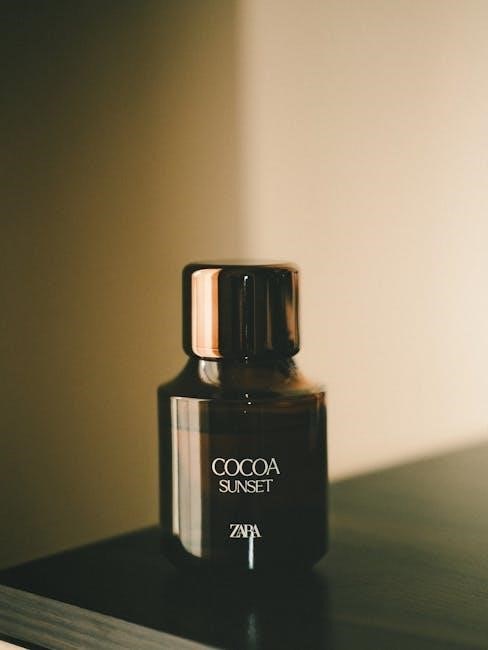
Where to Buy Yodeyma Perfumes
Find Yodeyma perfumes directly on their UK official website or through retailers like My Beauty Basics. Explore EU availability and download the equivalent list PDF!
Yodeyma UK Official Website
Access the most comprehensive and up-to-date information regarding Yodeyma perfumes directly through their official UK website. This platform serves as the primary source for exploring their extensive catalog of Eau de Parfums, meticulously crafted as affordable alternatives to high-end designer fragrances.
Here, you can conveniently browse the complete “smells like” list, detailing the perfumery notes and equivalencies to top UK and international brands. The website frequently features the downloadable Yodeyma perfumes equivalent list in PDF format, offering a handy reference guide for fragrance enthusiasts.
Beyond product listings, the official site provides detailed descriptions, customer reviews, and often, exclusive promotions and discounts. It’s the ideal destination to understand the brand’s commitment to quality and affordability, and to directly purchase your desired Yodeyma scents. Ensure you check for the latest updates to the equivalent list PDF for the most accurate comparisons.
Retailers Stocking Yodeyma (e.g., My Beauty Basics)
Beyond the official Yodeyma UK website, several retailers throughout the UK and EU offer their range of perfumes. My Beauty Basics is a prominent example, frequently stocking a wide selection of Yodeyma’s best-selling Eau de Parfums and providing access to the valuable “smells like” lists.
These retailers often feature the Yodeyma perfumes equivalent list in PDF format on their websites, allowing customers to easily compare scents and find their perfect match. Exploring these platforms provides convenient shopping options and potential access to exclusive deals or bundled offers.
Checking retailer websites is a great way to discover which fragrances are currently in stock and to read customer reviews. Remember to verify the authenticity of the product and ensure the retailer provides a clear and accessible version of the equivalent list PDF for informed purchasing decisions.
Availability in EU Markets
Yodeyma’s presence is steadily growing across EU markets, though distribution isn’t as widespread as in the UK. Several online retailers specialize in fragrance clones and affordable perfumes, frequently carrying the Yodeyma line and making it accessible to customers throughout Europe.
Accessing the Yodeyma perfumes equivalent list in PDF format is crucial for EU shoppers, as it helps navigate the brand’s offerings and understand scent profiles. Many of these online stores will host the PDF directly on their product pages or in a dedicated resources section.
However, availability can vary by country, so checking specific retailer websites is recommended. EU consumers should also be mindful of import duties and shipping costs when ordering from UK-based retailers. Always confirm the retailer’s shipping policies and ensure the PDF list is current.